


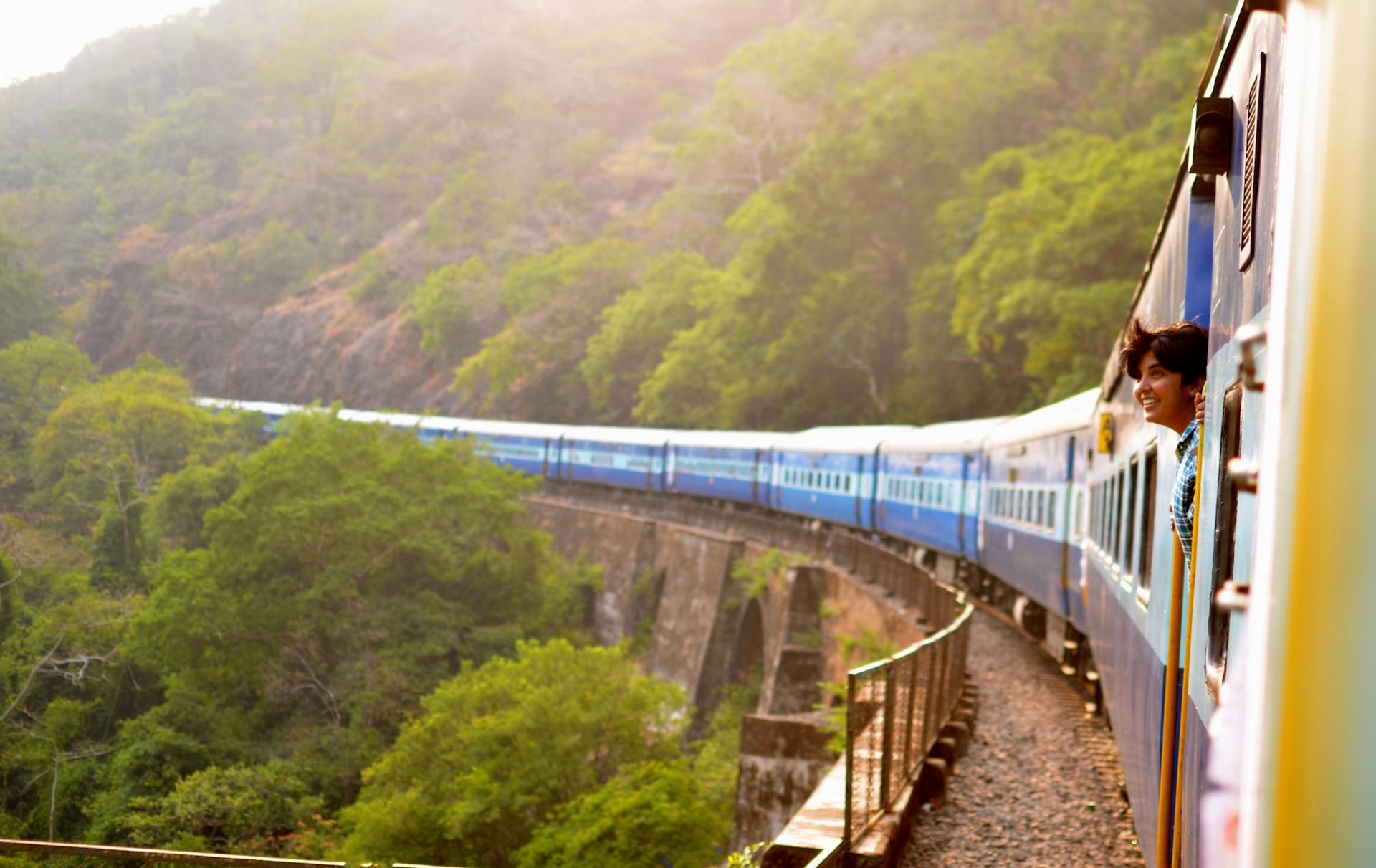
Thinking about taking an overnight sleeper train in India? Get ready for an adventure like no other. From busy stations to scenic countryside, every moment on the train is full of sights, sounds, and smells that make India unforgettable.
Cosy berths, local food, and the rhythm of the tracks create a journey rich in culture, excitement, and discovery.
In this article, you will learn what it’s really like to travel on India’s sleeper trains, how to choose the right class, practical tips for first-time travellers, and how to make your journey comfortable, safe, and memorable.
Pre-Boarding Expectations & Mindset
Before stepping onto a sleeper train in India, it’s essential to set the right mindset. Overnight train travel can be exciting, full of unexpected moments, and completely different from a hotel stay. Sleeper class is simple and practical, with comfort coming from its unique charm rather than luxury.
First-time travellers often ask: Will it be clean? Safe? Comfortable? The key is to embrace the shared, lively environment. Stay flexible, bring an adventurous spirit, and get ready to experience India’s culture in a way only a sleeper train can offer.
Tips for First-Time Travellers
First-time travellers often wonder about cleanliness, safety, and comfort. Embrace the shared, lively environment, stay flexible, and bring an adventurous spirit to make your journey enjoyable.
Booking & Ticket Class Nuances
Booking a sleeper train in India is now simple with apps like IRCTC or RailOne. There are different classes to suit your comfort and budget:
-
SL (Sleeper Class): Budget-friendly with basic bedding and open berths. Perfect for backpackers or those who enjoy a social travel experience.
-
3AC (Third AC): Air-conditioned, more comfortable, and slightly pricier. Ideal for travellers who want some privacy and a good night’s rest.
-
2AC (Second AC): Spacious with fewer passengers, air-conditioning, and bedding included. Best for families or those seeking extra comfort.
Sleeper trains are often cheaper than a budget hotel for a night, making them a wise choice for cultural explorers. Always double-check your ticket, verify seat availability on official apps, and have a backup plan in case of delays.
Best Time to Travel
The ideal months for sleeper train journeys are October to March, avoiding scorching summers and monsoon rains. Travelling in off-peak months like July–September can also offer fewer crowds and better fares.
Boarding & Settling In
.jpg)
Navigating a busy Indian train station can feel overwhelming at first. Once you find your coach and berth, organise your luggage carefully, as overhead racks and under-seat storage are limited.
Noise is part of the experience. Stations are lively, and fellow passengers may chat through the night. Using earplugs or a shawl can help you rest.
Observe local behaviours and show respect, as small gestures go a long way. Platforms are full of cultural glimpses, including street vendors, regional attire, and everyday rituals that offer a unique window into Indian life.
Onboard Experience
Comfort & Sleeping
Berths are compact, and in some classes, bedding is shared. Personal space is limited, but with earplugs, an eye mask, and a shawl, you can rest comfortably. Sleeper class offers a mix of simplicity and authenticity.
Pros: Budget-friendly, sociable, scenic
Cons: Noise, limited privacy, basic facilities
Toilets & Hygiene
Facilities vary by train and class. Carry wet wipes, a small trash bag, and hand sanitiser. Maintain hygiene etiquette and keep valuables close. RailMadad services are available for safety concerns.
Food & Hydration
Indulge in local flavours as you travel. Try steaming samosas, spicy pakoras, or sweet jalebis from station vendors. While some long-distance trains offer pantry services, sampling these regional snacks adds a true taste of India to your journey. Remember to stay hydrated, especially during the warmer months, to enjoy every mile with energy and comfort.
Connectivity & Tech
Plug points are available in 2AC and 3AC coaches; SL passengers should rely on power banks. Apps like IRCTC and RailOne provide real-time updates on train status.
Why Sleeper Trains Are Special
Sleeper trains are not just transportation. They are a cultural experience. From sharing stories with fellow travellers to enjoying regional food and watching landscapes pass by, each journey gives a unique insight into India’s diversity.
Cultural & Scenic Insights
Taking a sleeper train in India gives you a unique glimpse into the country’s rich diversity. You can watch bustling station markets, observe local rituals, or enjoy peaceful rural landscapes at sunrise. Every region has its own charm, from friendly chats with chai vendors to festival songs or the rhythmic clatter of tracks through village paths.
These small moments create unforgettable memories and help travellers connect deeply with India’s culture. Staying at AM Hotel Kollection in these regions enhances the experience, offering comfortable accommodations while keeping you close to cultural hubs and scenic views. Families and solo travellers alike can enjoy the perfect mix of local immersion and relaxation.
Additional Traveller Hacks & Survival Kit
Travelling overnight on a sleeper train in India can be fun but sometimes unpredictable. Being prepared makes your journey more comfortable and stress-free.
Survival Kit Essentials:
-
Earplugs and an eye mask for better sleep
-
Shawl or scarf for warmth and privacy
-
Power bank to keep your devices charged
-
Wet wipes and a small trash bag for hygiene
-
Bottled water and light snacks
-
Small lock to secure your luggage
Other Handy Tips:
-
Layer clothing for changing temperatures
-
Keep essentials in a small, easily accessible bag
-
Observe local behaviour and follow etiquette
-
Budget tip: Compare sleeper class fares with nearby hotel costs to choose the most practical option
Combining Train Travel With AM Hotel Stays
Travelling on a sleeper train in India offers a unique way to experience the country’s diverse landscapes, colorful towns, and rich cultural landmarks. Pairing your train journey with nearby hotels ensures comfortable rest between overnight trips and allows you to enjoy local experiences close to major stations. Whether exploring Rajasthan, Madhya Pradesh, or South India, this combination makes long-distance travel smoother, more relaxing, and enjoyable.
Final Thoughts
Taking a sleeper train in India is more than just getting from one place to another. It’s a cultural journey, a story to share, and an adventure in itself. For first-time travellers, practical preparation, valuable tips, and a curious mindset can transform the experience from overwhelming to memorable. Pairing train journeys with hotel stays ensures comfort, convenience, and the chance to recharge before your next adventure.
Plan your sleeper train journey today and enjoy a seamless, comfortable, and unforgettable India travel experience by booking your stays at AM Hotel Kollection.
FAQs
Is the sleeper class in India safe?
Yes, with basic precautions: keep valuables close, use RailMadad if needed, and observe fellow passengers. The sleeper class is generally safe for first-timers and solo travellers.
Can I charge my phone on sleeper trains?
2AC and 3AC coaches have plug points. SL class requires a power bank. Always carry an extra battery backup.
What to pack for an overnight train?
Essentials: earplugs, shawl, eye mask, wet wipes, water, snacks, small lock, and a trash bag.
How clean are toilets?
Varies by train and class. Carry wet wipes, maintain etiquette, and avoid using toilets in very old coaches at night if possible.
How to book tickets effectively?
Use the IRCTC or RailOne apps. Check availability early, choose your class wisely, and always have a backup plan for delays.
