


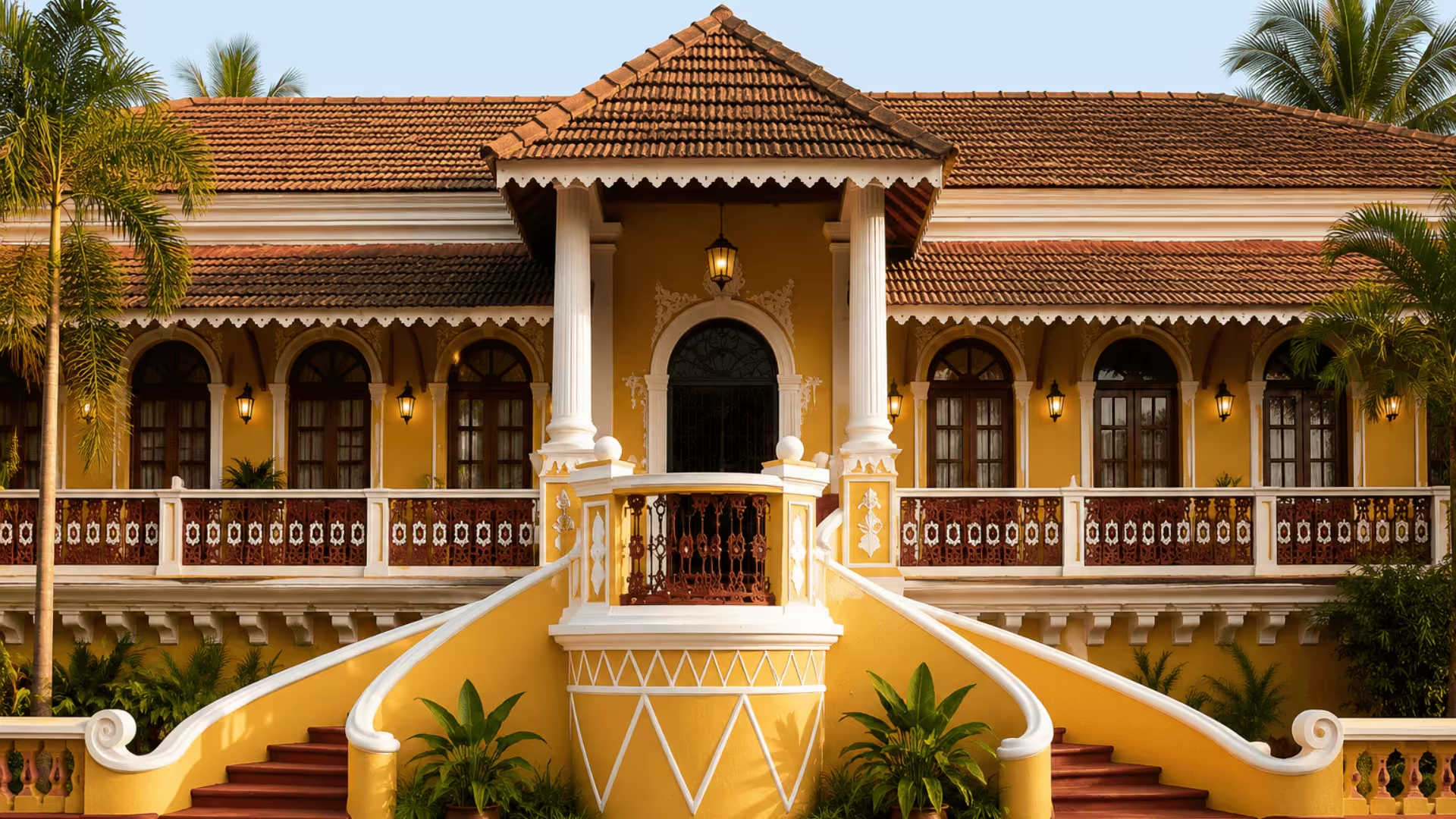
Walk through heritage neighborhoods in Goa, especially places like Fontainhas or quiet villages such as Chandor, and one architectural detail immediately stands out. In front of many colorful old homes, you’ll notice covered porches with built-in seating, decorative pillars, tiled steps, and open spaces that feel naturally inviting. These spaces are called balcaos, and they remain one of the most recognizable features of traditional Portuguese houses in Goa.
Unlike modern entrances that often feel closed off or purely decorative, a balcão was designed to be lived in. It was a place where people sat in the evenings, greeted neighbors, welcomed guests, and quietly observed daily life passing by outside their homes.
More than just an architectural feature, the balcão reflects a way of life deeply connected to community, climate, and conversation. Even today, these front porches continue to define the identity of old Goan homes and remain an important part of Goa’s cultural heritage.
While exploring the heritage charm of old Goan homes and their traditional balcaos, make your stay more memorable at De Garland, Palolem - AM Hotel Kollection. Surrounded by the relaxed character of South Goa, it offers a comfortable retreat that complements the region’s rich culture, architecture, and slower coastal lifestyle.
What Is a Portuguese Balcão?
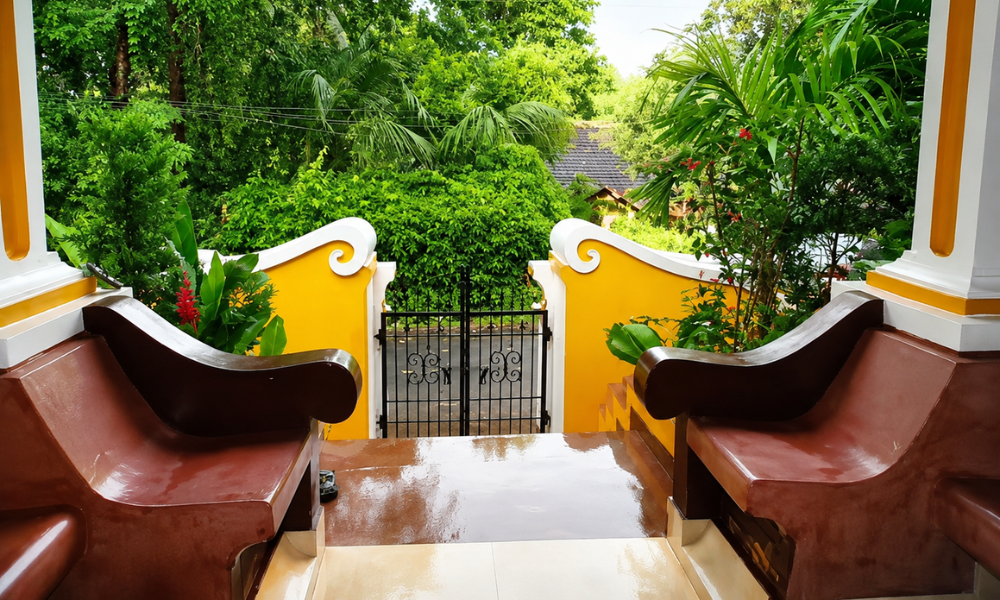
A balcão is a semi-open porch located at the front entrance of traditional Goan houses. Usually slightly raised above street level, it often includes built-in seating made from stone or laterite, decorative railings, pillars, and a shaded roof structure that protects the area from heat and rain.
Positioned between the street and the private interior of the house, the balcão works as a transition space. It feels open enough for interaction with neighbors and passersby while still offering comfort and privacy to the people inside the home.
In traditional Goan architecture, the balcão is not treated as a small decorative addition. Instead, it acts as an important living space used throughout the day.
Unlike many modern porches that exist mostly for appearance, balcaos were designed with clear practical and social purposes in mind.
The Origins of Balcaos in Goan Architecture
Before Portuguese influence arrived in Goa, traditional local homes were usually inward-focused. Houses often centered around internal courtyards, with limited visual connection to the street outside.
Portuguese architectural influence gradually introduced outward-facing home designs that emphasized openness, visibility, and interaction with the surrounding neighborhood.
The balcão emerged as a blend of these two architectural approaches:
-
local climate-conscious building techniques
-
Portuguese design sensibilities
-
social interaction through open spaces
-
decorative European-inspired detailing
This fusion created the unique appearance now associated with heritage houses in Goa.
Over time, balcaos became a defining feature of Portuguese-Goan architecture, shaping how homes looked and how people interacted within their communities.
Why Almost Every Old Goan House Has a Balcão
One of the biggest reasons balcaos became so common was Goa’s tropical climate.
Climate and Ventilation
Goa remains warm and humid for most of the year. Homes needed spaces that allowed airflow while also providing shade and protection from rain.
The balcão naturally solved this problem by creating a cool, ventilated sitting area at the front of the house. Families could comfortably spend time outdoors without sitting directly under the sun.
Even during monsoon months, the covered structure allowed people to continue using the space while remaining protected from heavy rain.
Social Interaction and Community Life
The balcão also became an important social space.
In older Goan neighborhoods, daily life happened slowly and visibly. People spent time outdoors, conversations happened naturally between neighbors, and community relationships remained closely connected.
The balcão encouraged this interaction by creating a comfortable sitting space facing the street. Family members could talk to neighbors, greet visitors, or simply observe village life while remaining at home.
Unlike modern urban homes where entrances often feel isolated, balcaos helped create stronger social connections within communities.
Welcoming Guests
Traditionally, the balcão also worked as a reception space for visitors.
Guests could be welcomed and entertained comfortably without immediately entering the private areas inside the house. This created a balance between hospitality and privacy.
The open design also made homes feel more inviting and approachable.
Reflection of Identity and Style
Many homeowners used the balcão to express personal taste and status within the community.
Different houses featured:
-
colorful ceramic tiles
-
ornate railings
-
decorative columns
-
carved wooden details
-
vibrant paint colors
Although the structure remained similar across homes, the detailing often made each balcão feel unique.
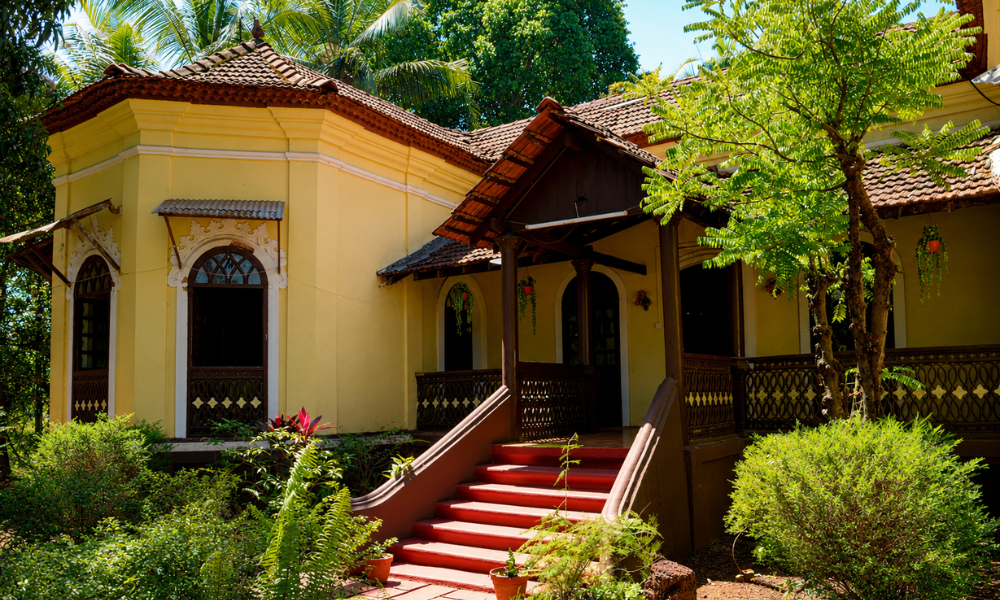
How Balcaos Are Used in Everyday Life
One reason balcaos remain culturally important is because they were deeply connected to everyday routines.
Quiet Morning Space
In the mornings, the balcão often becomes a peaceful place to sit with tea or coffee while enjoying fresh air before the day begins.
Because the space feels open yet shaded, mornings here tend to feel calm and comfortable.
Midday Relaxation
During hotter hours, the balcão acts as a naturally cooler area compared to indoor rooms that trap heat. The airflow and shade make it ideal for resting during the afternoon.
Evening Conversations
Evenings are when balcaos traditionally become most active.
Family members gather outside to talk, children play nearby, and neighbors stop to chat while passing through the street. These small daily interactions create the strong sense of community often associated with traditional Goan villages.
Festival Celebrations
During festivals and celebrations, balcaos are often decorated with:
-
lights
-
flowers
-
rangoli
-
traditional ornaments
The porch becomes an extension of the celebration itself, connecting the home with the surrounding neighborhood.
Observing Everyday Life
Sometimes, the purpose of the balcão is simply observation.
People sit quietly watching rain fall during monsoon season, observing street activity, or enjoying the slower rhythm of village life around them.
This simple act of sitting and observing is one of the reasons balcaos continue to feel culturally meaningful even today.
Architectural Features That Define Balcaos
Balcaos stand out visually because of their combination of local materials and decorative design.
Traditional balcaos often use:
-
laterite stone
-
lime plaster
-
ceramic tiles
-
wrought iron railings
-
carved woodwork
The use of laterite stone helps regulate indoor temperature naturally, while lime plaster protects walls from Goa’s humid climate.
Bright exterior colors — yellows, blues, whites, reds, and greens — also became a defining part of Portuguese houses in Goa.
Together, these materials and details create the distinctive visual charm associated with old Goan homes.
Places Where You Can See Authentic Balcaos in Goa
Several heritage areas in Goa still preserve traditional balcaos beautifully.
Fontainhas
Fontainhas, the Latin Quarter of Panaji, remains one of the best places to see colorful Portuguese-era homes with preserved balcaos and decorative architecture.
Chandor
Chandor is known for its older mansions and heritage homes that showcase grand traditional architecture.
Saligao
Saligao still contains village homes where balcaos continue functioning as part of daily life rather than only historical structures.
Walking through these areas offers a glimpse into how architecture and lifestyle once blended naturally together in Goa.
How Modern Homes Are Adapting the Balcão Concept
Although traditional balcaos are less common in modern construction, the concept itself still survives.
Many newer homes now include:
-
verandas
-
sit-out areas
-
semi-open entrances
-
outdoor seating spaces
While these modern versions may not feature the same decorative craftsmanship, they continue the original idea of creating a comfortable connection between indoor and outdoor living.
This adaptation shows how Goan architecture continues evolving while still holding onto elements of its heritage.
Challenges in Preserving Heritage Homes in Goa
Despite their cultural importance, many old Portuguese houses in Goa face preservation challenges today.
Urban development, rising maintenance costs, and changing lifestyles have made it difficult for many families to maintain older homes using traditional methods.
Modern construction styles are also replacing traditional architecture in many areas, reducing the number of preserved heritage houses over time.
Spaces like the balcão are especially vulnerable because newer urban housing designs often prioritize privacy and compact layouts over open social spaces.
Without continued preservation efforts, many of these architectural traditions risk gradually disappearing.
Why Balcaos Still Matter Today
In modern cities, homes increasingly feel closed, isolated, and disconnected from surrounding communities.
The balcão represents the opposite approach.
It encourages:
-
openness
-
slower living
-
casual social interaction
-
connection with neighbors
-
engagement with everyday surroundings
More importantly, it reminds people that architecture shapes lifestyle. The design of a home influences how people interact, relax, and connect with others.
This is why the balcão remains more than a beautiful architectural detail. It represents a way of living centered around community, simplicity, and human connection.
Frequently Asked Questions
1. What is a balcão in Goa?
A balcão is a covered front porch with built-in seating found in traditional Portuguese-style Goan homes.
2. Why do old Goan houses have balcaos?
Balcaos help with ventilation, provide shaded outdoor seating, and encourage social interaction within neighborhoods.
3. Are balcaos still used today?
Yes, especially in heritage homes, and many modern houses continue adapting the concept through verandas and outdoor seating spaces.
4. Where can visitors see traditional balcaos in Goa?
Visitors can see authentic balcaos in places like Fontainhas, Chandor, and Saligao.
5. What makes balcaos unique?
Their blend of climate-friendly design, social function, and Portuguese-Goan architectural style makes them unique.
Conclusion
Portuguese balcaos are far more than decorative entrances. They reflect how architecture in Goa was designed around climate, community, and everyday life.
In traditional Goan homes, the balcão creates a connection between private living and public interaction. It allows people to sit outdoors comfortably, stay connected with neighbors, and experience the slower rhythm of daily life that once defined Goan villages.
As Goa continues modernizing, preserving spaces like the balcão becomes increasingly important. These structures are not only part of architectural heritage — they also represent a lifestyle built around openness, simplicity, and meaningful human connection.
Experience the cultural charm of Goa beyond its beaches with a stay at AM Hotel Kollection. From heritage-inspired surroundings to peaceful local experiences, it’s the perfect base to explore the timeless architecture and traditions that make old Goa unique. Book your stay now and discover a more authentic side of Goa.
