


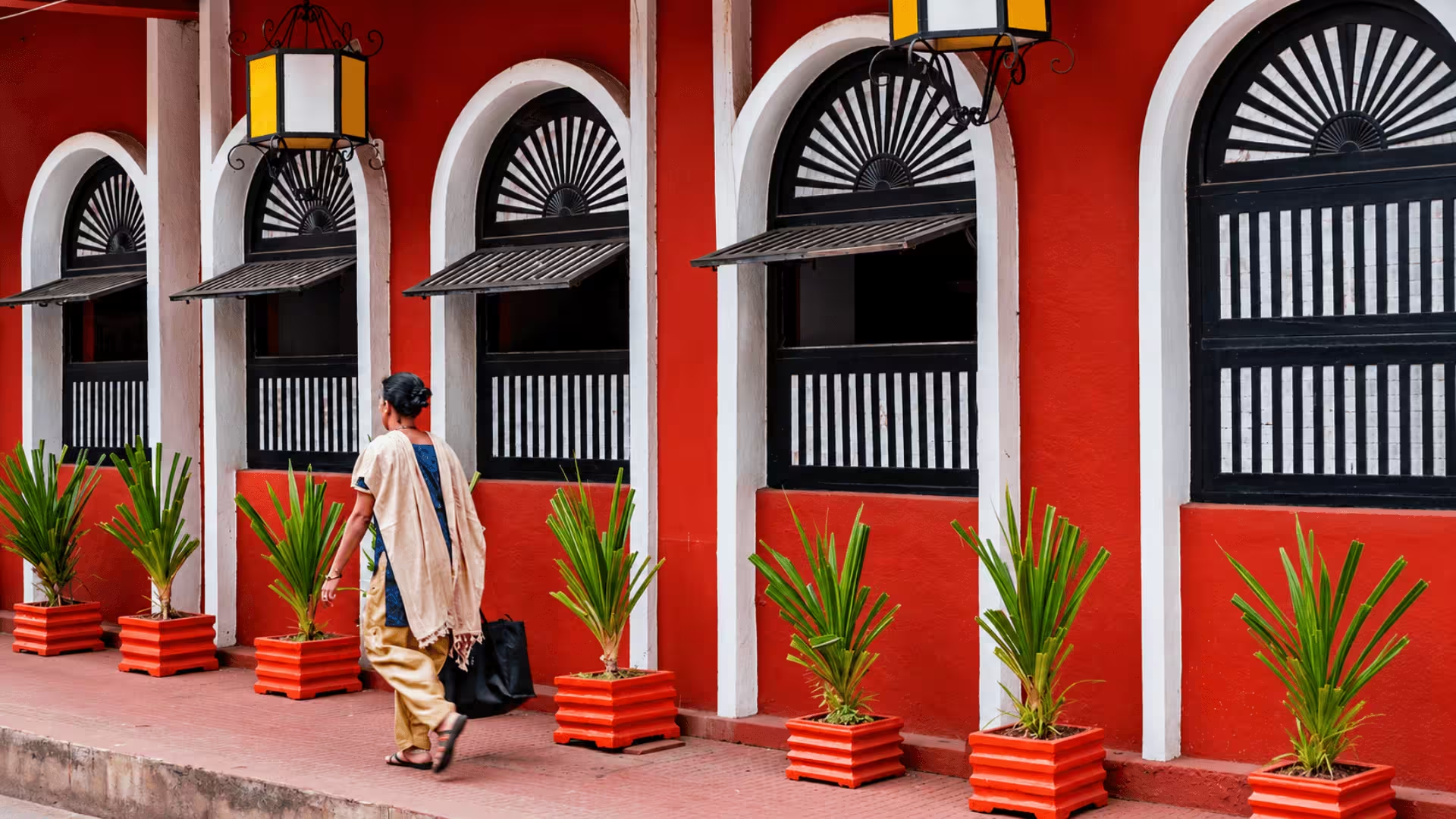
Walk through the colorful lanes of Fontainhas, and you’ll notice something unusual about many old homes. Some windows are not made of glass at all. Instead, they use thin oyster shells fitted carefully into wooden frames. When sunlight passes through them, the windows glow softly, creating a warm and calming atmosphere inside the house.
At first glance, these oyster shell windows appear decorative, but they were actually designed for a practical reason. Long before modern cooling systems existed, traditional Goan homes relied on natural materials and climate-friendly architecture to stay comfortable. Oyster shell windows became one of the smartest solutions for managing heat, light, and airflow in Goa’s tropical environment.
Today, they remain one of the most fascinating features of traditional Portuguese-style houses in Goa.
What Are Oyster Shell Windows?
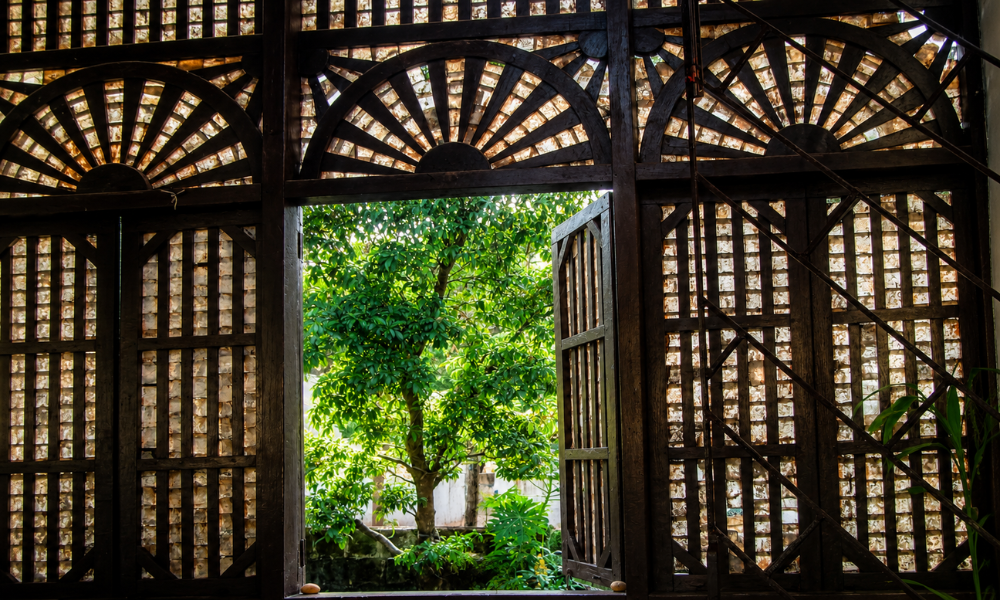
Oyster shell windows are created by placing thin slices of oyster shells inside small wooden grids instead of using glass panels. These shell pieces are translucent rather than transparent, meaning they allow light to enter while still maintaining privacy.
Unlike clear glass, oyster shells soften and diffuse sunlight. This prevents harsh glare from entering the room and creates a cooler, more comfortable indoor environment.
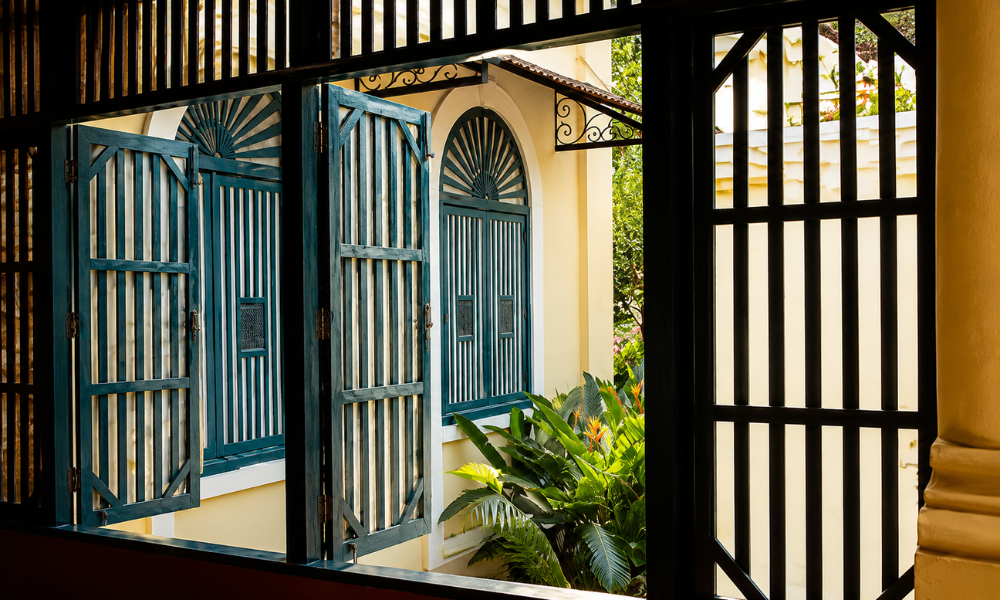
In many heritage homes, especially in Fontainhas, these shell windows are paired with wooden shutters that can be opened or closed depending on the weather, sunlight, or ventilation needs.
The design may appear simple, but it solves several climate-related problems naturally and effectively.
Historical Origins of Oyster Shell Windows in Goa
The use of oyster shell windows began during a time when glass was expensive and difficult to access in Goa. Instead of relying on imported materials, local builders used resources that were easily available along the coastline.
Oyster shells became a practical alternative because they were durable, abundant, and suitable for Goa’s hot and humid climate.
As Portuguese architectural influence spread across Goa, especially in areas like Fontainhas and Panaji, oyster shell windows gradually became part of Portuguese-style Goan homes. Over time, they evolved into a recognizable feature of heritage architecture in the region.
Even today, these windows continue to reflect the blend of local craftsmanship and Portuguese influence that defines old Goan homes.
Why Oyster Shell Windows Were Used
Natural Cooling
One of the main reasons oyster shell windows became popular was their ability to reduce heat inside homes.
Goa experiences warm temperatures and high humidity for most of the year. Traditional homes needed ways to stay cool naturally without modern technology.
Oyster shells diffuse sunlight instead of allowing direct rays to enter. This reduces indoor heat buildup and creates a softer lighting effect inside the house.
Compared to regular glass windows, oyster shell windows help maintain a cooler indoor atmosphere naturally.
Soft Natural Light
These windows allow enough daylight to brighten rooms without making interiors feel overly bright or harsh.
The filtered light creates a calm, warm glow that changes gently throughout the day. This softer lighting becomes one of the most noticeable characteristics of traditional Goan homes.
Privacy Without Blocking Light
Unlike clear glass windows, oyster shell windows do not provide direct visibility from outside.
This allows homes to remain private while still receiving natural daylight. It creates a balance between openness and privacy that works especially well in closely connected neighborhoods.
Monsoon Protection
Goa’s heavy monsoon rains also influenced home design.
Oyster shell windows, combined with wooden shutters, help protect interiors from rain while still allowing some ventilation and airflow. This made them practical for changing seasonal weather conditions.
Sustainable Use of Local Materials
Perhaps the most important aspect of oyster shell windows is sustainability.
Instead of importing expensive materials, builders used locally available oyster shells to create functional and climate-responsive homes. This approach reflected a deep understanding of both the environment and available resources.
How Oyster Shell Windows Work
The design of oyster shell windows is surprisingly effective despite its simplicity.
Thin shell slices are arranged carefully inside wooden frames. When sunlight passes through the shells, the light becomes scattered and softened instead of entering directly.
This process reduces:
-
harsh glare
-
direct heat
-
excessive brightness
At the same time, it still keeps interiors naturally illuminated.
The result is a cooler and more comfortable indoor environment without relying on artificial cooling systems.
Everyday Life Inside Traditional Goan Homes
Oyster shell windows influence how homes feel throughout the day.
Morning Atmosphere
In the morning, soft sunlight filters gently through the shell panels, creating calm and naturally lit interiors.
The light feels warm without becoming intense, making the home feel peaceful and comfortable.
Afternoon Cooling
During the hottest hours of the day, the shell windows reduce direct sunlight and help keep interiors relatively cool.
Combined with thick walls and shaded verandas, they support passive cooling throughout the house.
Evening Warmth
In the evening, the windows create a soft golden glow inside the rooms. This subtle lighting adds warmth and character to traditional Goan homes.
Flexibility Through Wooden Shutters
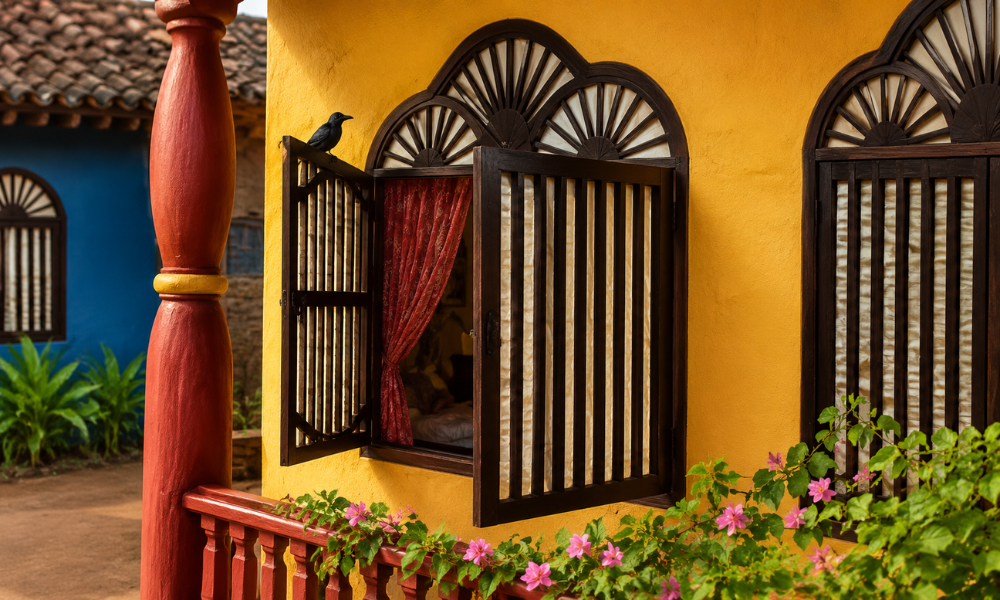
Most homes also include wooden shutters alongside the shell windows.
Homeowners can:
-
open shutters for airflow
-
partially close them during rain
-
reduce sunlight
-
increase privacy when needed
This flexibility makes the windows practical for daily use throughout the year.
Role of Oyster Shell Windows in Fontainhas Architecture
In heritage neighborhoods like Fontainhas, oyster shell windows are part of a larger climate-sensitive architectural style.
Traditional homes often combine:
-
oyster shell windows
-
thick walls
-
high ceilings
-
sloping roofs
-
shaded balconies
-
front porches called balcaos
Each element helps regulate airflow, temperature, and light naturally.
Together, these features create homes that remain surprisingly comfortable even during hot weather.
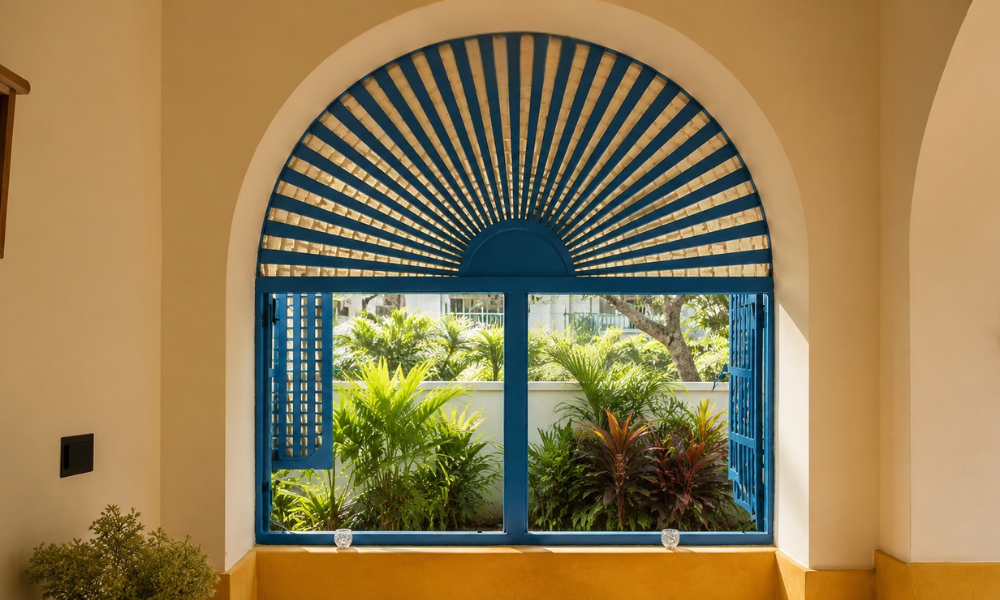
Visual Appeal of Oyster Shell Windows
Beyond their practical function, oyster shell windows add a unique visual charm to Goan homes.
From outside, the small shell panels create texture and detail across colorful house facades. Inside, the filtered light creates a soft and inviting atmosphere.
When paired with Goa’s bright house colors like yellow, blue, white, and red, the windows become an important part of the overall beauty of Portuguese-Goan architecture.
Their appeal comes from how naturally functionality and aesthetics blend together.
Comparison With Modern Glass Windows
Modern glass windows and oyster shell windows create very different experiences inside a home.
Glass windows:
-
allow direct sunlight
-
increase indoor heat
-
require curtains for privacy
-
often depend on air conditioning
Oyster shell windows:
-
soften sunlight naturally
-
reduce glare and heat
-
provide built-in privacy
-
support natural cooling
While glass may feel more modern, oyster shell windows are far more suited to tropical climate conditions.
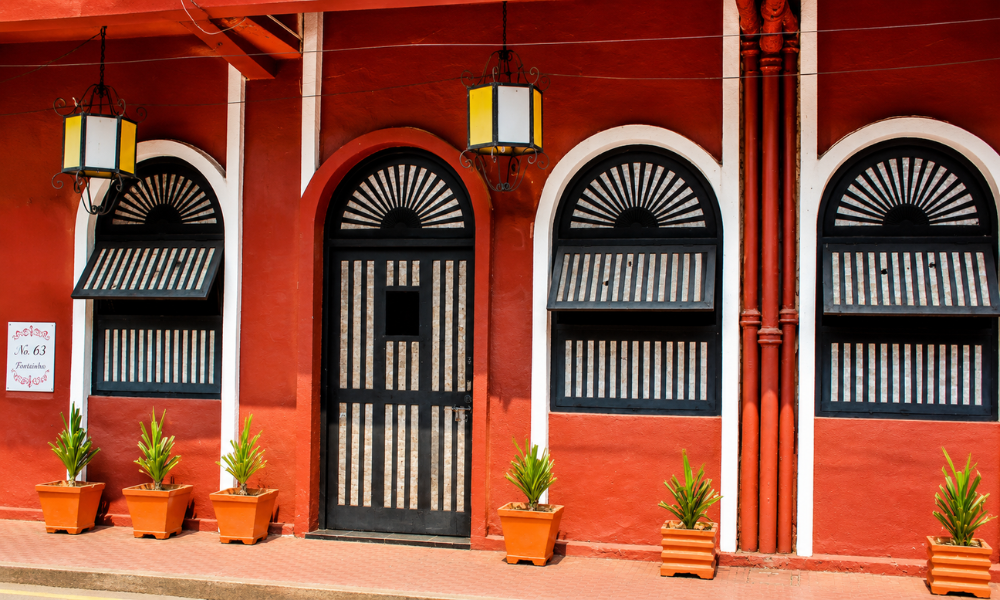
Where You Can Still See Oyster Shell Windows
The best place to see authentic oyster shell windows is Fontainhas, where many heritage homes still preserve their original architectural features.
Walking through the narrow streets allows visitors to observe how these windows fit naturally into traditional Goan design.
Some older neighborhoods in Panaji also continue to preserve homes with original oyster shell windows.
Challenges in Preserving Oyster Shell Windows
Despite their cultural value, oyster shell windows face several preservation challenges today.
The shells themselves are delicate, and finding suitable materials has become increasingly difficult. Skilled artisans who know how to repair and restore these windows are also becoming fewer over time.
Many homeowners replace them with modern glass windows because they are easier to maintain.
Without preservation efforts, many original examples may gradually disappear.
Why Oyster Shell Windows Still Matter Today
In modern architecture, sustainability and climate-responsive design are becoming increasingly important.
Oyster shell windows demonstrate how traditional architecture solved environmental challenges naturally using local materials and simple techniques.
They show that cooling, privacy, lighting, and ventilation can all be handled thoughtfully without depending heavily on technology.
Even today, these windows remain a valuable example of sustainable architectural thinking.
Frequently Asked Questions
1. What are oyster shell windows in Goa?
They are traditional windows made using thin slices of oyster shells placed inside wooden frames instead of glass.
2. Why were oyster shells used instead of glass?
Because they were locally available, affordable, and highly suitable for Goa’s tropical climate.
3. Do oyster shell windows help keep homes cool?
Yes, they diffuse sunlight and reduce indoor heat buildup naturally.
4. Where can you see oyster shell windows in Goa?
They are mainly found in heritage neighborhoods like Fontainhas and old Portuguese-style homes in Panaji.
5. Are oyster shell windows still used today?
They are mostly preserved in heritage homes, though some modern designs continue adapting the concept.
Conclusion
Oyster shell windows are one of the best examples of how traditional Goan architecture combined beauty with practicality. In places like Fontainhas, they reflect a thoughtful approach to climate, comfort, and everyday living.
More than just decorative features, these windows helped homes stay naturally cooler, brighter, and more private using simple local materials. As modern architecture continues searching for sustainable solutions, oyster shell windows remind us that some of the smartest ideas have existed quietly for generations.
Experience the timeless charm of Goa’s heritage architecture with AM Hotel Kollection. Stay close to the cultural beauty of Fontainhas and discover how traditional Goan design, colorful streets, and historic homes continue to shape the region’s unique identity. Book your stay and explore Goa beyond the beaches.
