


Did you know that some of the most recognizable images of Goa were created not through photography, but through sketches filled with humor, movement, and everyday life? The work of Mario Miranda captures a version of Goa that feels deeply personal and authentic. Instead of focusing only on beaches or landmarks, his illustrations highlight conversations, routines, crowded streets, village life, and the unique rhythm of Goan culture. Through his art, ordinary moments become stories. In this guide, you’ll explore who Mario Miranda was, how his illustrations reflected Goa’s identity, where you can experience his work today, and why his artistic legacy continues to shape how people see Goa.
Who Was Mario Miranda?
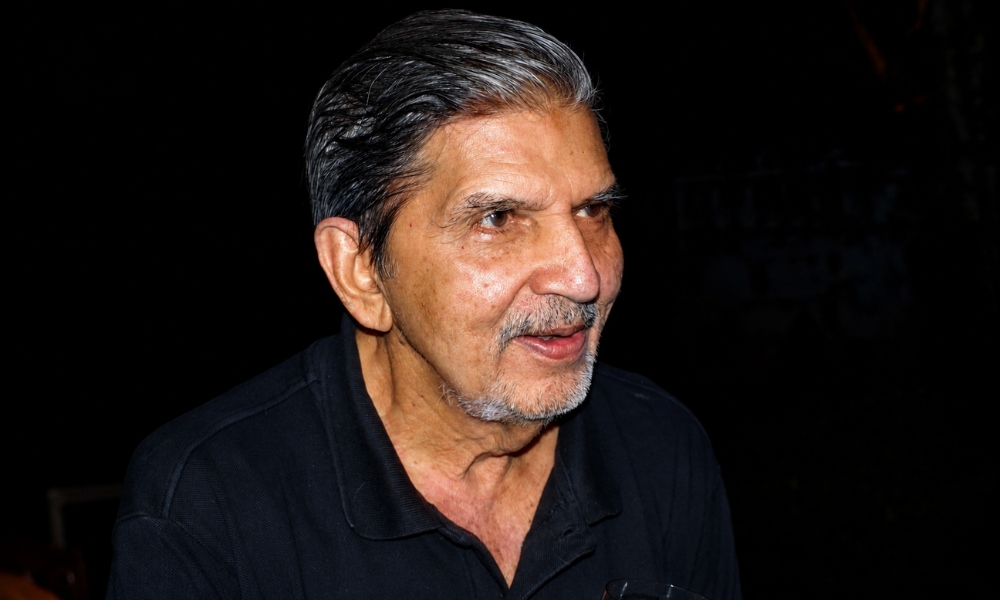
Mario Miranda was one of India’s most celebrated cartoonists and illustrators, known for creating highly detailed drawings filled with life and humor. Born in Goa in 1926, he grew up observing the people, streets, markets, and villages around him. These early experiences later became the foundation of his artistic style.
Over the years, he worked with major Indian publications including The Times of India and The Illustrated Weekly of India, where his illustrations gained national recognition. However, despite his success across India and abroad, Goa remained central to his work. His drawings consistently returned to the same themes—community life, local culture, architecture, and everyday interactions.
What made his work stand out was his ability to turn simple daily scenes into something memorable and visually rich.
Understanding “Mario Miranda’s Goa”
When people refer to “Mario Miranda’s Goa,” they are not talking about a single location. Instead, they are referring to the atmosphere and personality he captured through his illustrations.
His version of Goa feels lived-in rather than curated. The focus is not only on beautiful buildings or landscapes, but on the people who inhabit them. His illustrations often show neighbors talking across balconies, shopkeepers interacting with customers, musicians performing during festivals, and families sharing everyday moments.
Rather than presenting Goa as only a tourist destination, Mario Miranda portrayed it as a social and cultural space full of energy, humor, and human connection.
Village Life in Mario Miranda’s Illustrations
Many of Mario Miranda’s most iconic works are inspired by traditional Goan village life.
His drawings often feature narrow village roads, old Portuguese houses, crowded marketplaces, and people sitting on balcaos observing the world around them. The scenes feel dynamic because every character appears to be doing something different—talking, arguing, laughing, working, or simply watching others pass by.
Children running through streets, musicians during celebrations, and elderly residents casually chatting are recurring elements in his work. These details make the illustrations feel authentic because they reflect the natural rhythm of daily life in Goa.
What makes these scenes especially interesting is how layered they are. Even after looking at a drawing multiple times, you continue discovering new details hidden within the composition.
Capturing Goa’s Streets and Public Spaces
Public spaces play an important role in Mario Miranda’s art. Markets, cafes, churches, and streets appear frequently throughout his work because these are places where social interaction naturally happens.
In his market scenes, vendors, customers, bicycles, animals, and vehicles all exist within the same crowded environment. Instead of simplifying the chaos, he embraced it. Every figure contributes to the movement and personality of the illustration.
His drawings of urban Goa, especially around Panaji, also reflect the changing nature of the city. Older traditions and modern lifestyles appear side by side, creating a visual record of how Goa evolved over time.
The Distinctive Style of Mario Miranda
Mario Miranda’s art is immediately recognizable because of its visual detail and storytelling style.
One of the defining characteristics of his work is density. His illustrations are filled with characters, expressions, gestures, and environmental details that create a sense of movement. Unlike minimal drawings, his scenes feel crowded in a purposeful and engaging way.
Humor is another essential element. Instead of relying on exaggerated comedy, he found humor in normal human behavior—awkward interactions, social habits, and everyday misunderstandings.
Architecture also plays a significant role in his compositions. Traditional Goan houses with tiled roofs, oyster shell windows, colorful facades, and balcaos often appear in the background, reinforcing the strong connection between people and place.
How His Art Reflects Goan Culture
Mario Miranda’s work captures cultural identity in a subtle but meaningful way.
Festivals appear frequently in his illustrations, often filled with musicians, dancers, crowds, and processions. Food culture also appears naturally through scenes of family gatherings, restaurants, and street vendors.
Music is another recurring theme. Goa’s connection to music and performance becomes visible through musicians playing instruments during social events and celebrations.
Religion and community life are also woven into his work. Churches, chapels, and traditional gatherings appear not as isolated monuments, but as active parts of everyday society.
Together, these elements create a layered representation of Goa that feels cultural without becoming overly formal or historical.
Where You Can See Mario Miranda’s Work in Goa
Visitors interested in experiencing his work can still find several places in Goa connected to his legacy.
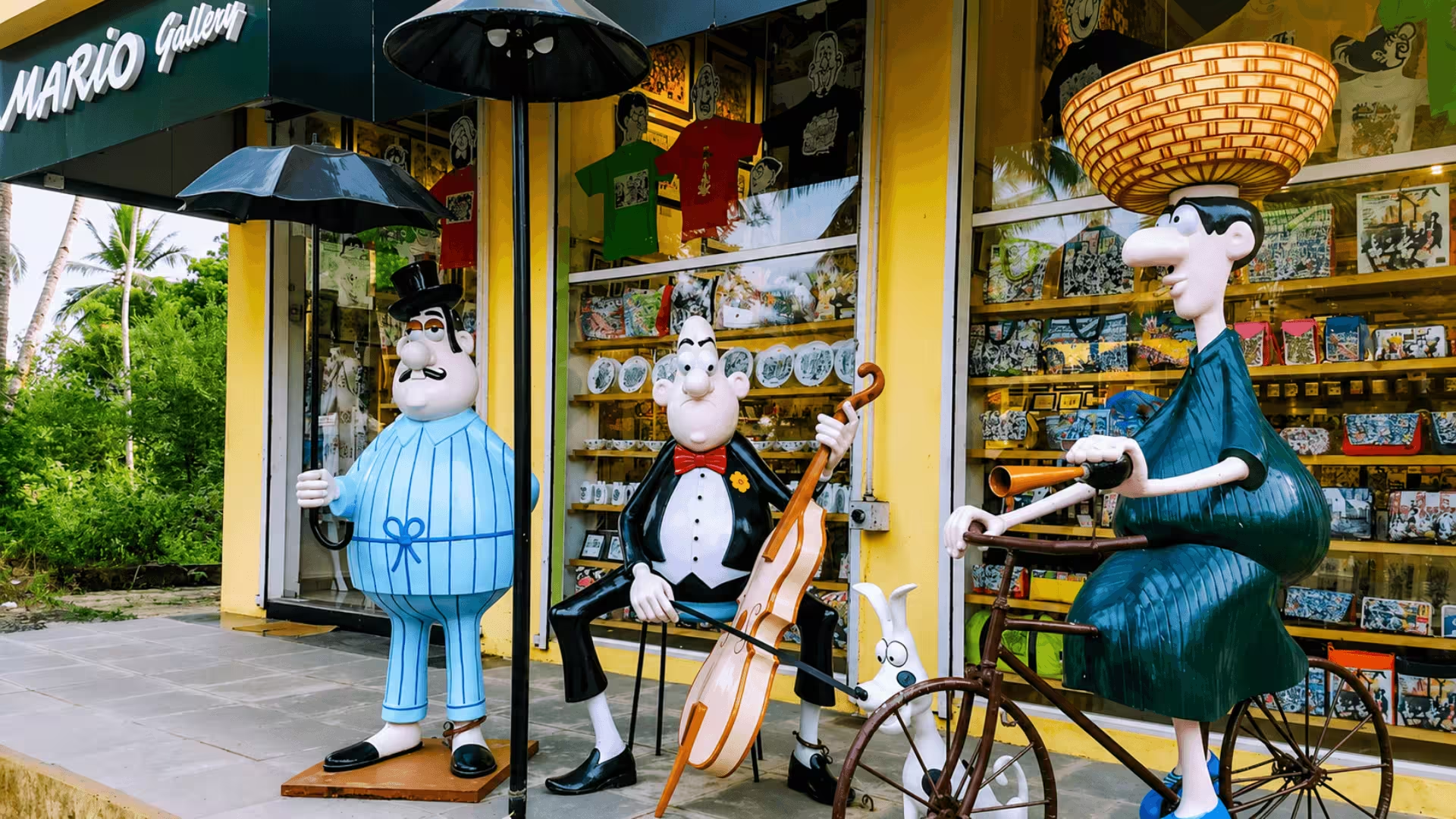
The Mario Gallery displays sketches, illustrations, and artwork associated with his career. It offers insight into both his artistic process and his connection to Goa.
In heritage neighborhoods like Fontainhas, murals and artistic tributes inspired by his style can also be seen throughout the streets. These spaces help connect his art directly to the environment that inspired it.
Walking through these areas often feels similar to stepping into one of his illustrations, especially when observing the interactions and details around you.
Mario Miranda as a Cultural Historian
Beyond illustration, Mario Miranda’s work functions as a visual archive of Goa’s social history.
His drawings document changing lifestyles, architecture, transportation, clothing, and social habits over several decades. Through his work, viewers can observe how Goa gradually modernized while still retaining elements of its traditional identity.
This makes his illustrations valuable not only artistically, but culturally as well. They preserve moments and environments that may no longer exist in exactly the same way today.
Influence on Modern Art and Design
Mario Miranda’s influence continues far beyond his original illustrations.
His visual storytelling style has inspired designers, illustrators, advertisers, and artists across India. Elements of his artistic approach now appear in tourism campaigns, souvenirs, posters, murals, and contemporary Goan design.
More importantly, he demonstrated that local culture could be represented authentically without losing artistic appeal. His work showed that ordinary daily life could become visually compelling when observed closely and represented honestly.
Experiencing Goa Through Mario Miranda’s Perspective
To understand Mario Miranda’s Goa, it helps to slow down and observe the details around you.
Walking through areas like Fontainhas, local markets, village roads, or quieter neighborhoods allows you to notice the same kinds of interactions that appear throughout his illustrations. The experience is less about sightseeing quickly and more about paying attention to atmosphere, movement, and people.
Simple moments—a conversation across a balcony, a crowded tea shop, or children playing in a narrow lane—begin to feel significant in the same way they do in his art.
Why Mario Miranda’s Work Still Matters Today
In a time where many places are becoming visually similar, Mario Miranda’s work reminds people of the importance of local identity and cultural observation.
His illustrations celebrate community life, public interaction, humor, and the beauty of ordinary routines. They encourage viewers to notice the details often overlooked in daily life.
Most importantly, his work preserves a version of Goa built around people rather than tourism alone. That perspective continues to resonate because it feels human, relatable, and timeless.
FAQs
1. Who was Mario Miranda?
Mario Miranda was a famous Indian cartoonist and illustrator known for capturing everyday life through detailed and humorous drawings.
2. Why is Mario Miranda associated with Goa?
He was born in Goa, and much of his artwork focused on Goan culture, people, architecture, and daily life.
3. Where can visitors see his work in Goa?
His work can be seen at the Mario Gallery in Panaji and through murals and artistic installations in areas like Fontainhas.
4. What makes his art style unique?
His illustrations are known for expressive characters, detailed compositions, humor, and lively storytelling.
5. Why is Mario Miranda’s work still important today?
His art preserves Goa’s cultural identity and offers a visual record of everyday life, traditions, and social interactions.
Conclusion
Mario Miranda did more than create illustrations—he captured the personality and rhythm of Goa itself. Through crowded streets, expressive characters, village life, and everyday humor, his work presents a version of Goa that feels alive and deeply connected to its people.
His drawings remind us that culture is not only found in monuments or landscapes, but in conversations, routines, celebrations, and shared public spaces. For anyone looking to understand Goa beyond its surface, Mario Miranda’s art offers one of the most meaningful perspectives possible.
