


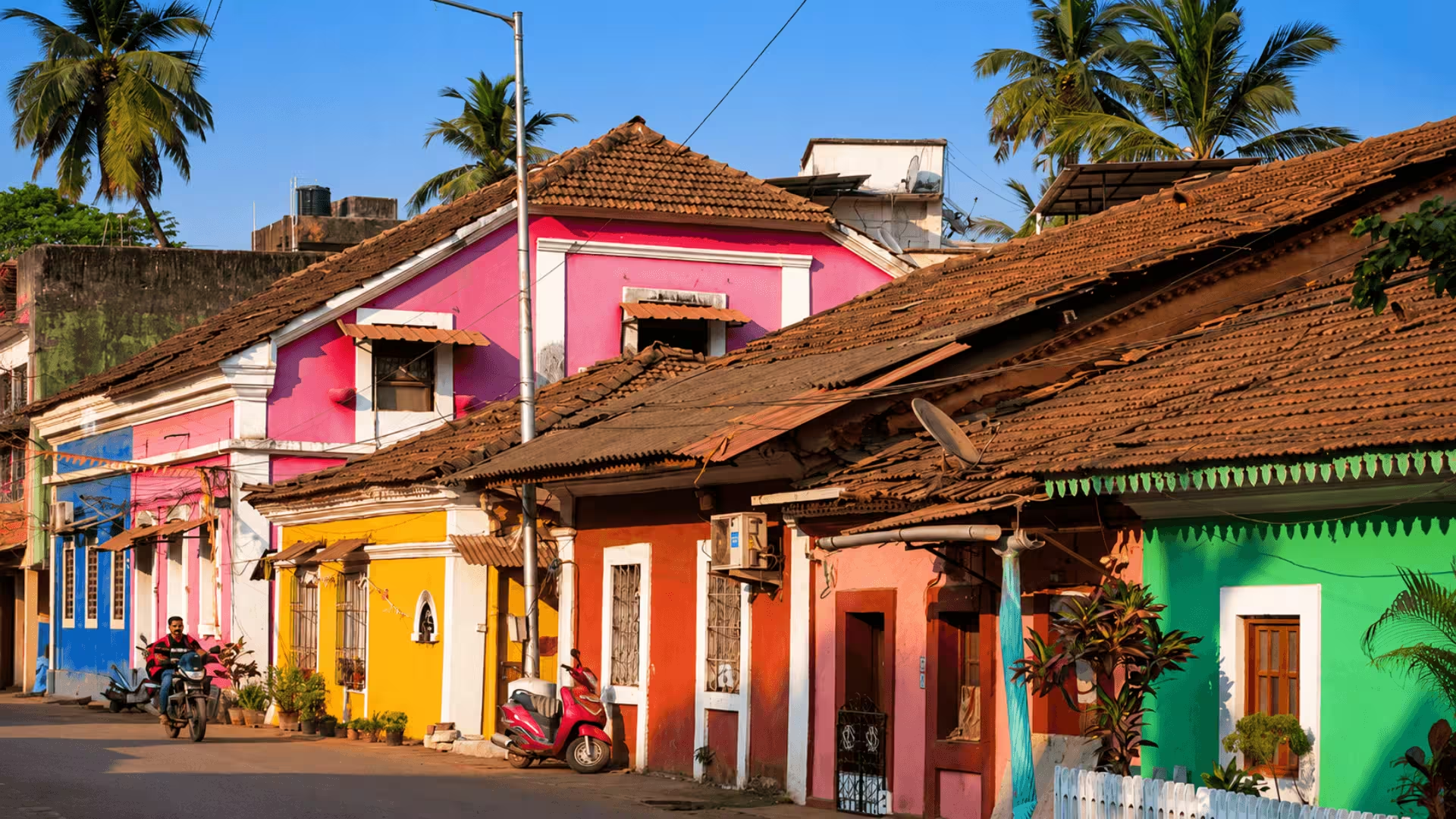
Most travelers associate Goa with beaches, nightlife, and coastal cafés. But in the middle of Panaji, Goa’s capital city, there is a neighborhood that feels completely different. Fontainhas, often called the Latin Quarter of Panjim, offers a slower and more lived-in side of Goa where old Portuguese-era streets, colorful homes, and local routines still exist together.
Walking through Fontainhas does not feel like visiting a tourist attraction. The neighborhood feels personal and authentic. Narrow lanes curve gently between bright colonial houses, residents sit outside on front porches, and small everyday moments continue quietly around you.
What makes Fontainhas special is not just its architecture but the way history still feels connected to daily life. It is one of the few places in India where Portuguese influence remains visible not only in buildings but also in the rhythm of the neighborhood itself.
Overview of Fontainhas Panjim
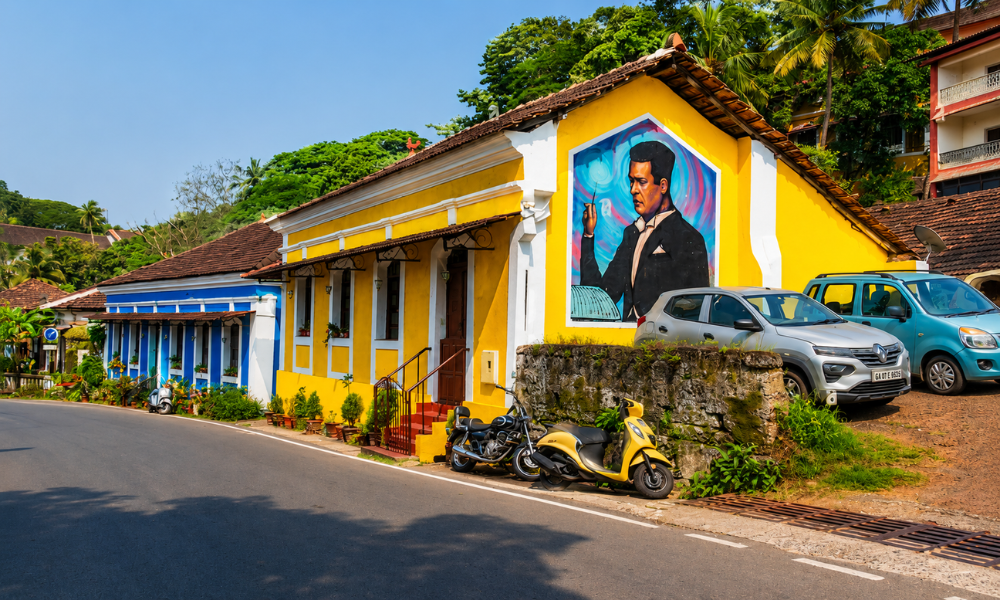
Fontainhas is the old Latin Quarter of Panjim and one of Goa’s most important heritage neighborhoods. The area is known for preserving Portuguese-style urban planning, colorful colonial homes, and traditional street layouts.
The name Fontainhas comes from the Portuguese word fonte, meaning fountain, referring to a natural spring that once supplied water to the neighborhood.
Unlike modern city areas with wide roads and open layouts, Fontainhas is built around narrow winding streets and closely connected homes. Houses face directly toward the street, creating a neighborhood that feels compact, walkable, and visually connected.
Although the area attracts visitors today, it is still a functioning residential neighborhood where local life continues naturally.
The Historical Origins of Fontainhas
The history of Fontainhas goes back to the Portuguese colonial period when Panjim developed as an important administrative center.
Portuguese officials, wealthy Goan families, traders, and local communities influenced by European culture gradually settled in the area. Over time, the neighborhood evolved into a blend of Portuguese planning and Goan lifestyle.
The architecture reflects this fusion clearly:
-
houses built close to the street
-
symmetrical layouts
-
decorative facades
-
tiled roofs
-
balconies and porches designed for interaction
Even as Goa modernized around it, Fontainhas managed to preserve much of its original structure and atmosphere. Today, it remains one of the most recognizable heritage zones in Goa.
Painted Colonial Streets: The Identity of Fontainhas
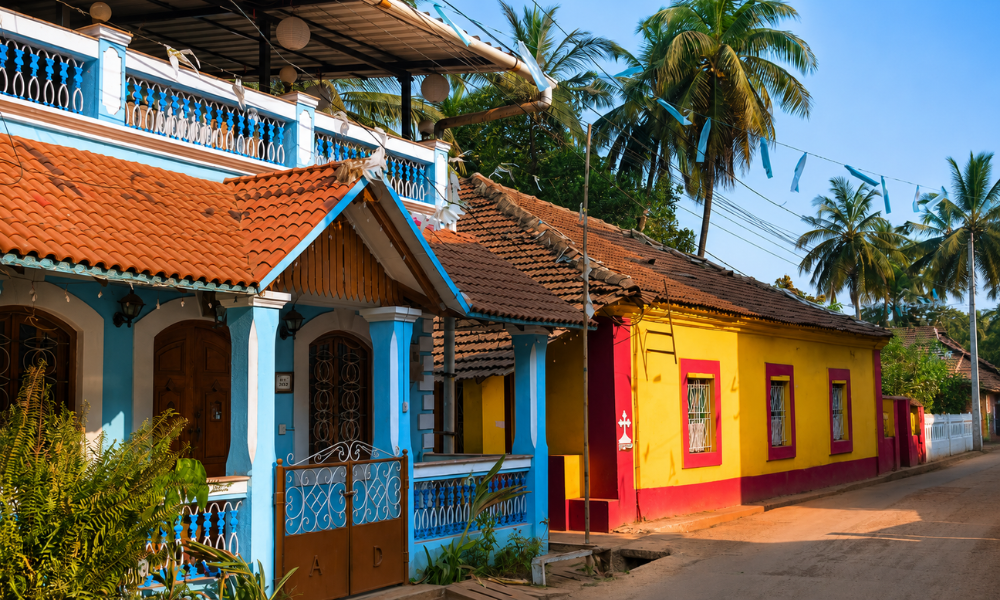
One of the first things visitors notice in Fontainhas is color.
The neighborhood is filled with brightly painted homes in shades of yellow, blue, red, green, and white. Each house feels visually distinct, yet together they create a balanced and cohesive streetscape.
These colors are deeply connected to Portuguese architectural traditions. During colonial times, maintaining painted exteriors was encouraged not only for appearance but also for protecting buildings from weather damage and moisture.
The narrow lanes themselves also shape the atmosphere of the neighborhood. Streets twist naturally between closely built houses, creating shaded walkways that remain relatively cool even during warmer parts of the day.
Because buildings stand close together, small architectural details become more noticeable as you walk:
-
wooden windows
-
decorative railings
-
tiled roofs
-
textured walls
-
balconies and porches
This combination of color, scale, and detail gives Fontainhas its distinctive visual identity.
Architectural Features That Define the Neighborhood
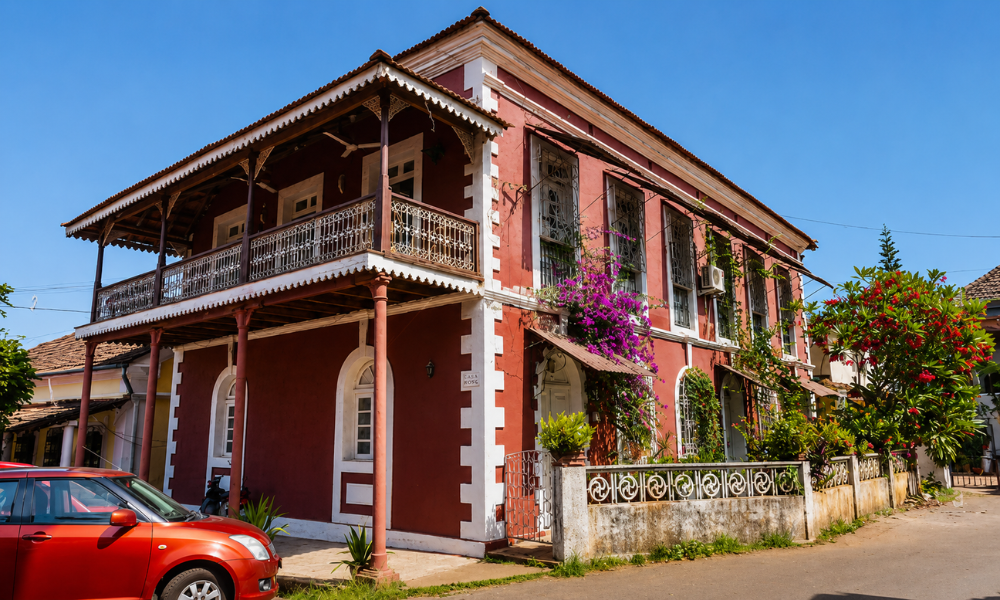
The beauty of Fontainhas lies not in large monuments but in its everyday architectural details.
Balcaos
Many homes feature balcaos, which are covered front porches with built-in seating facing the street.
Residents often sit here during mornings and evenings, creating natural interaction between neighbors and passersby. These spaces blur the line between public and private life in a very natural way.
Oyster Shell Windows
Some heritage homes still preserve oyster shell windows instead of glass panels. These windows diffuse sunlight softly, reduce heat, and maintain privacy while allowing natural light into the house.
Tiled Roofs and Thick Walls
Traditional homes also use sloping tiled roofs and thick walls to handle Goa’s tropical climate and monsoon rains.
These architectural choices were practical as much as aesthetic, helping homes stay cooler and better ventilated naturally.
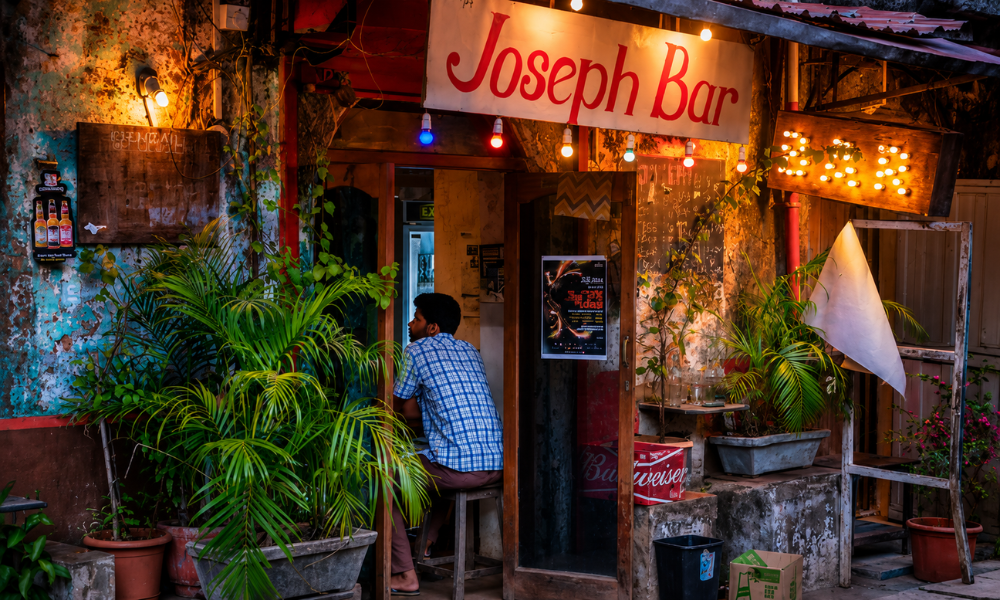
Everyday Local Life in Fontainhas
What truly separates Fontainhas from many heritage districts is that it remains a living neighborhood rather than a preserved museum space.
People still live here, follow daily routines, and maintain long-standing community connections.
In the mornings, residents often sit outside their homes enjoying tea or speaking with neighbors. Small local shops gradually open, and the streets slowly become active.
Children walk through the lanes on their way to school, while evenings bring families together outside their homes for conversation and relaxation.
The structure of the neighborhood naturally encourages interaction. Houses are close together, streets remain walkable, and semi-open spaces like balcaos create opportunities for everyday social life.
This slower pace gives Fontainhas a warmth that feels very different from more commercial tourist areas in Goa.
Religious and Cultural Landmarks
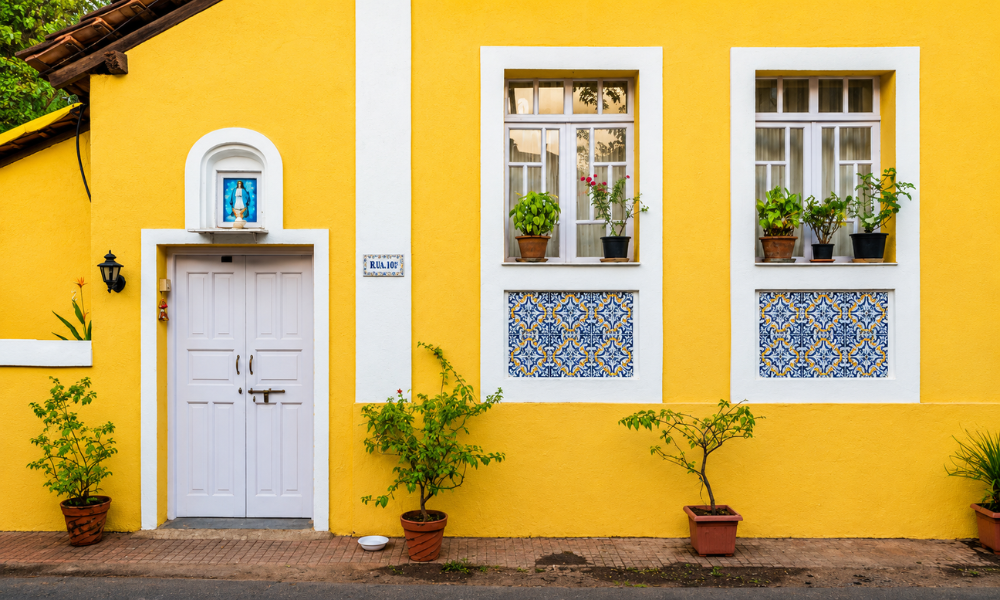
Among the colorful streets of Fontainhas, one landmark that stands out is the St. Sebastian Chapel.
This small white chapel sits at a prominent junction within the neighborhood and contrasts beautifully against the surrounding colorful houses.
Beyond its visual appeal, the chapel also reflects the cultural and religious identity that continues to shape life within the area.
Throughout the year, festivals, family gatherings, and local celebrations continue to keep these traditions active.
Walking Through Fontainhas: What Visitors Experience
Fontainhas is best explored slowly and on foot.
The neighborhood is not about checking off attractions quickly. Instead, the experience comes from observation and atmosphere.
As you walk through the lanes, you begin noticing:
-
faded textures on old walls
-
soft afternoon light on colorful facades
-
quiet conversations from porches
-
hanging plants and balconies
-
small details in windows and doors
For photographers, Fontainhas offers endless visual variety. The combination of architecture, natural light, and color creates constantly changing compositions throughout the day.
At the same time, it is important to remember that Fontainhas is a residential neighborhood. Respecting people’s privacy and avoiding intrusive photography helps preserve the peaceful atmosphere of the area.
Best Time to Visit Fontainhas Panjim
Timing can change the experience significantly.
Early Morning
Morning hours are ideal for quieter walks and observing daily local life before the streets become busier.
The softer light also makes the neighborhood especially beautiful for photography.
Late Afternoon
Late afternoon is another excellent time to visit because the warm sunlight enhances the colors of the houses while temperatures become more comfortable for walking.
Midday
Midday can feel hot and less enjoyable for long walks, especially during summer months.
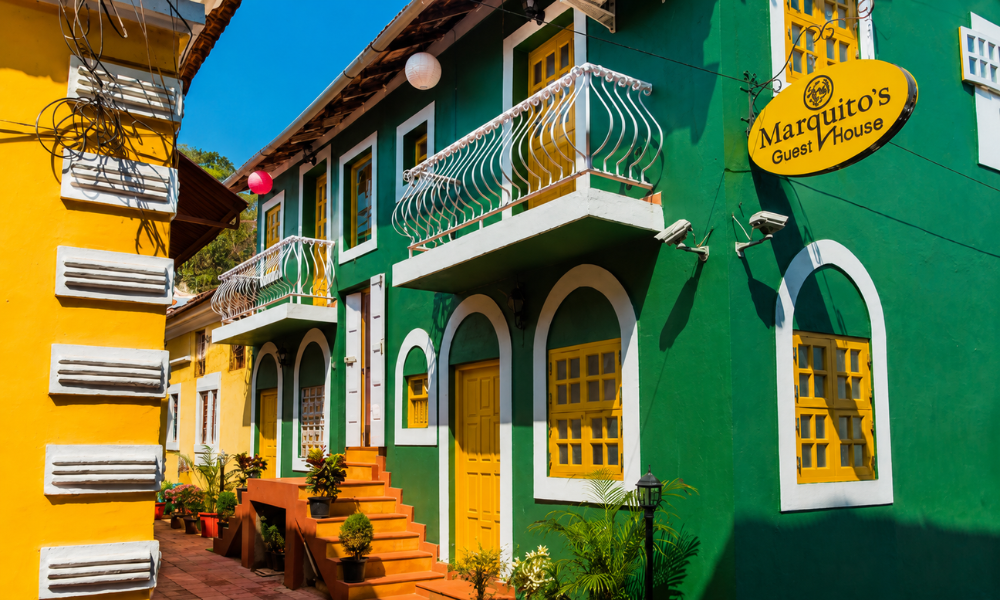
Why Fontainhas Feels Different From Modern Cities
One reason Fontainhas feels so distinct is its human scale.
Unlike modern urban areas built mainly for vehicles and commercial activity, the neighborhood was designed for walking, interaction, and everyday community life.
The streets feel intimate rather than oversized. Homes remain connected visually to the public space outside them. Small architectural details matter because the environment encourages slower movement and closer observation.
There is also a balance between history and present-day life. While the buildings reflect Goa’s colonial past, the neighborhood itself continues evolving through the people who still live there.
This combination makes Fontainhas feel authentic rather than artificially preserved.
Challenges in Preserving the Latin Quarter
Like many heritage neighborhoods, Fontainhas faces challenges as the city around it continues changing.
Maintaining old homes requires constant repair and restoration, which can become expensive for residents. Urban development pressures also create risks for preserving the neighborhood’s original character.
Tourism brings attention and appreciation to the area, but excessive commercialization can also affect its quiet atmosphere if not managed carefully.
Preserving Fontainhas requires balancing tourism, modern needs, and heritage conservation together.
Responsible Travel in Fontainhas
Visitors play an important role in protecting the character of the neighborhood.
Simple actions make a difference:
-
avoid littering
-
keep noise levels low
-
respect private homes
-
ask permission before photographing residents
-
walk carefully through residential streets
Responsible tourism helps ensure that Fontainhas remains both livable for residents and meaningful for visitors.
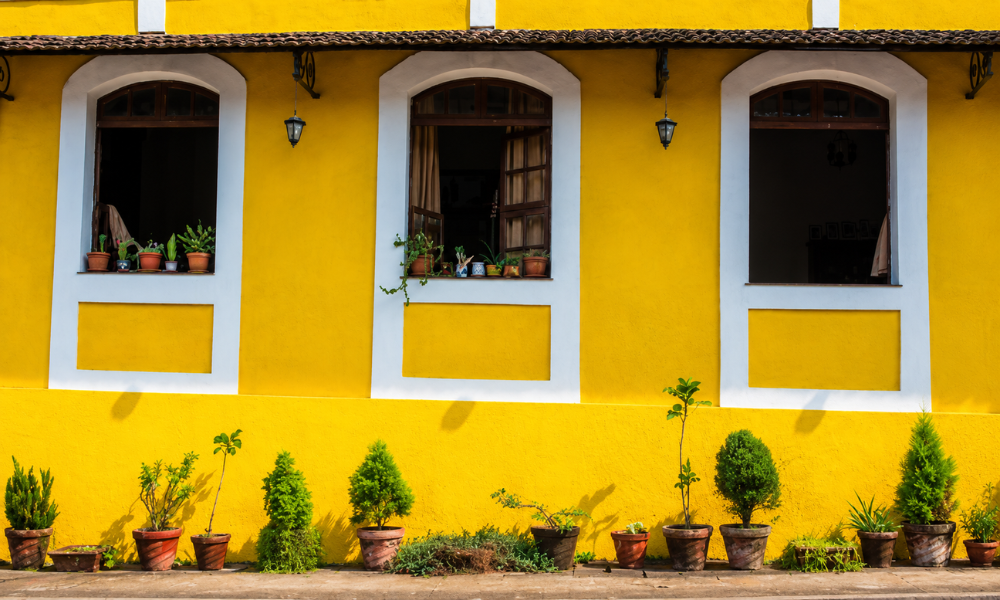
Why Fontainhas Still Matters Today
In rapidly modernizing cities, neighborhoods like Fontainhas have become increasingly rare.
The area shows how architecture, climate, culture, and community can work together naturally within an urban environment. It also reminds visitors that heritage is not only about preserving buildings — it is about preserving ways of living and interacting with space.
For travelers willing to slow down, Fontainhas offers a deeper understanding of Goa beyond beaches and tourism.
Frequently Asked Questions
1. What is Fontainhas Panjim known for?
It is known for its colorful Portuguese-style houses, narrow heritage streets, and preserved colonial architecture.
2. Where is Fontainhas located?
Fontainhas is located in Panaji, the capital city of Goa.
3. Why are the houses in Fontainhas colorful?
The bright colors reflect Portuguese architectural influence and also help protect buildings from weather damage.
4. Can tourists visit Fontainhas?
Yes, visitors are welcome, but it is important to respect the local community and residential environment.
5. What is the best time to visit Fontainhas?
Early morning and late afternoon are ideal for walking, photography, and experiencing the neighborhood comfortably.
Conclusion
Fontainhas is far more than a historic neighborhood. It is a living part of Goa where architecture, culture, and daily life continue to exist together naturally.
From painted colonial streets and shaded lanes to quiet conversations on balcaos, every part of the neighborhood reflects a slower and more connected way of living.
For travelers who look beyond Goa’s beaches and nightlife, Fontainhas offers something more lasting — a chance to experience how history still survives quietly within everyday life.
After exploring the colorful streets and heritage charm of Fontainhas, unwind with a comfortable stay at Jasminn Hotel Goa by AM Hotel Kollection. Located close to Goa’s vibrant culture, beaches, and local experiences, Jasminn offers the perfect blend of relaxation and Goan hospitality for your next getaway.
