


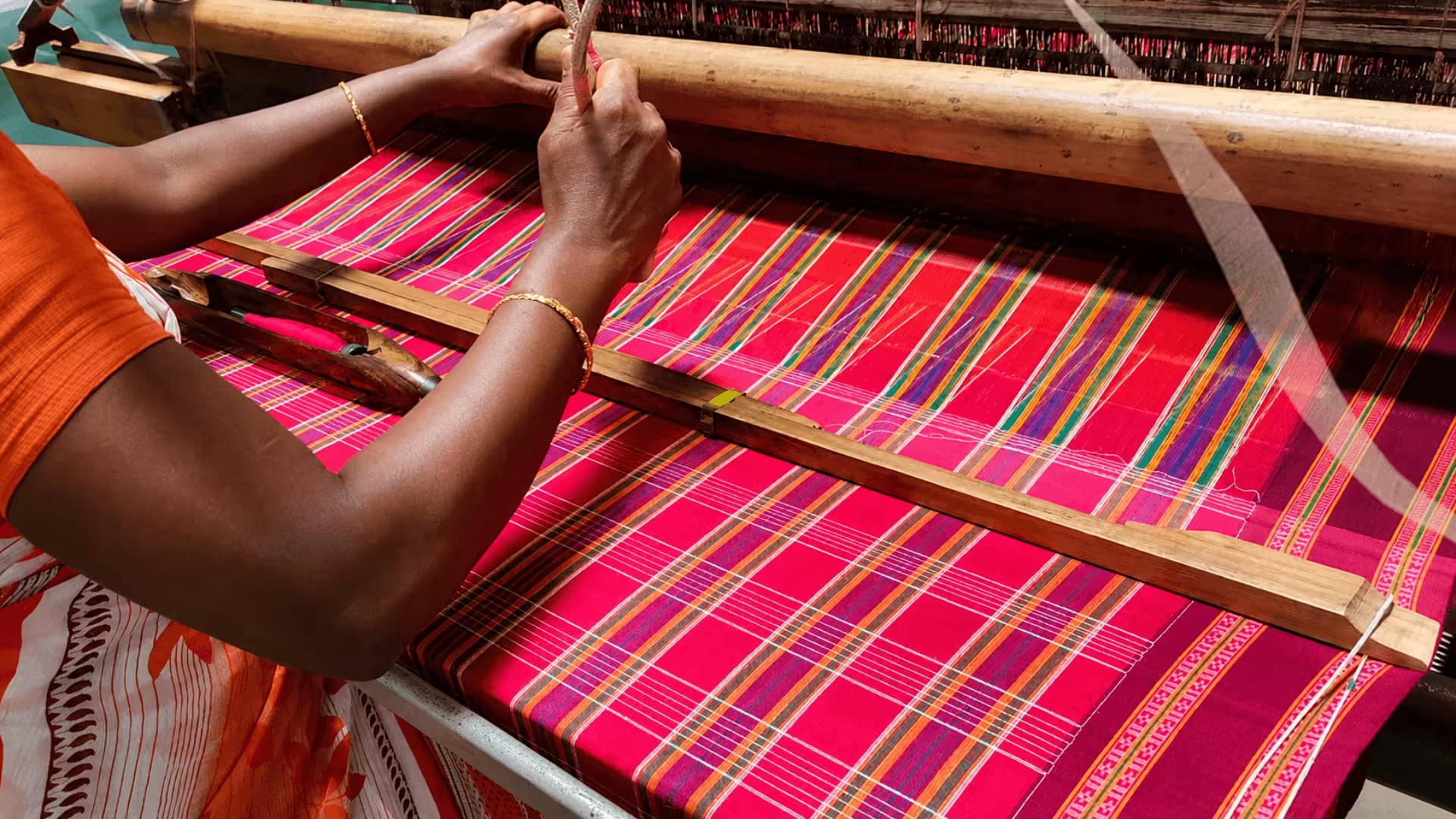
Did you know that one of Goa’s oldest cultural traditions is not found in churches or colonial streets, but in handwoven textiles and indigenous craftsmanship? Long before tourism shaped Goa’s modern identity, communities like the Kunbi community expressed their culture through weaving, patterns, and practical art forms connected to everyday life. Known as Kunbi Art, this tradition reflects simplicity, identity, and a close relationship with nature and labor.
Today, as Goa rapidly changes, artists, designers, and cultural groups are working to revive this overlooked heritage and bring it back into public awareness. In this guide, you’ll explore what Kunbi Art is, where it comes from, why it matters, and how it is finding relevance again in modern Goa.
Overview of Kunbi Art
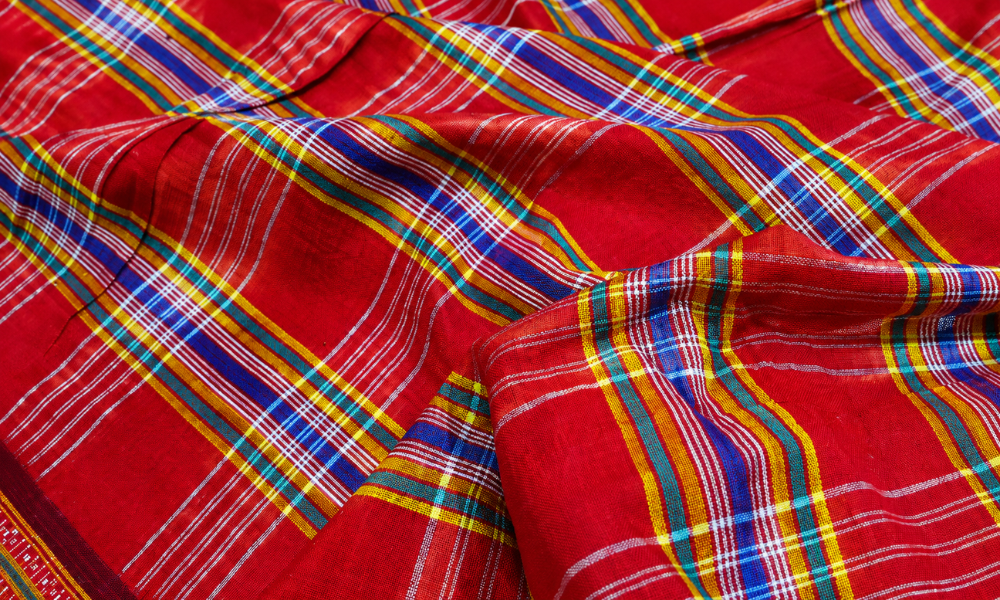
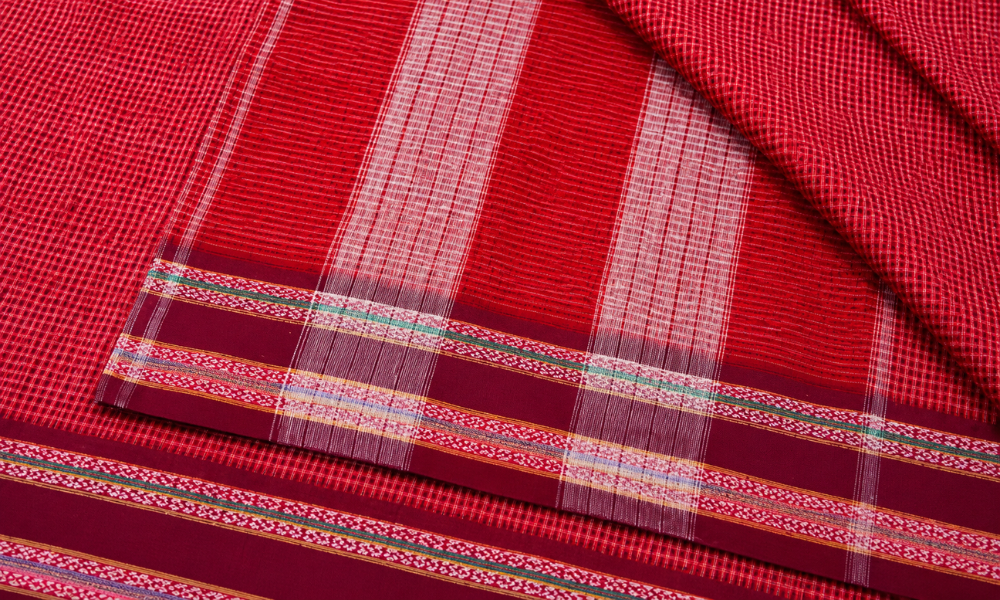
Kunbi Art refers to the traditional artistic expressions associated with the Kunbi community, one of the oldest indigenous communities in Goa. It is most strongly represented through textiles, especially the traditional Kunbi sari, known for its checkered patterns, earthy colors, and handwoven texture.
Unlike formal or decorative art forms created mainly for display, Kunbi Art exists within everyday life. It appears in clothing, weaving patterns, and handmade textiles used regularly within the community. The beauty of the art lies in its simplicity—bold geometric checks, repeated patterns, and practical craftsmanship that reflect both utility and identity.
Rather than being designed to appear elaborate, Kunbi Art feels natural and grounded, shaped by the realities of rural life and local traditions.
The Origins of Kunbi Art
To understand Kunbi Art properly, it helps to understand the lifestyle of the Kunbi community itself.
Traditionally, the community has been closely connected to agriculture and farming. Daily life revolved around seasonal work, village routines, and strong community relationships. Because of this, artistic expression developed naturally through practical needs rather than separate artistic institutions.
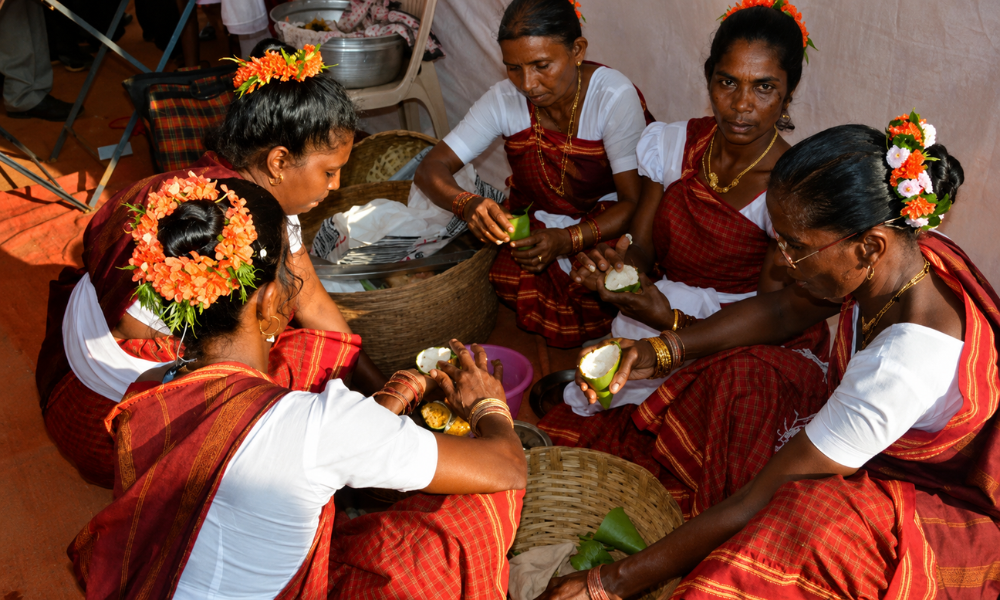
The traditional Kunbi sari is one of the clearest examples of this connection. Originally worn by women working in fields, the sari was designed to be lightweight, durable, and comfortable for physical labor. Over time, its distinctive checkered design and color combinations became symbols of cultural identity.
What began as functional clothing gradually evolved into a recognizable visual representation of indigenous Goan heritage.
Kunbi Art as Everyday Expression
One of the most interesting aspects of Kunbi Art is that it was never separated from daily living.
The patterns and weaving styles are deeply connected to routine life. The repetitive checks and lines often resemble agricultural divisions, field structures, and the rhythmic nature of farming work itself.
Because the art developed through practical use rather than formal artistic training, it feels honest and direct. The designs are not overly decorative, yet they carry strong visual identity.
Textiles remain the core medium of Kunbi Art, but the tradition also reflects broader ideas about community living, local craftsmanship, and sustainable creation.
The Traditional Kunbi Sari
The Kunbi sari is one of the most recognizable symbols of indigenous Goan culture.
Typically woven in shades of red, black, and white, the sari uses bold checkered patterns that immediately stand out visually. The fabric is usually lightweight and suited to Goa’s tropical climate, making it practical for everyday work.
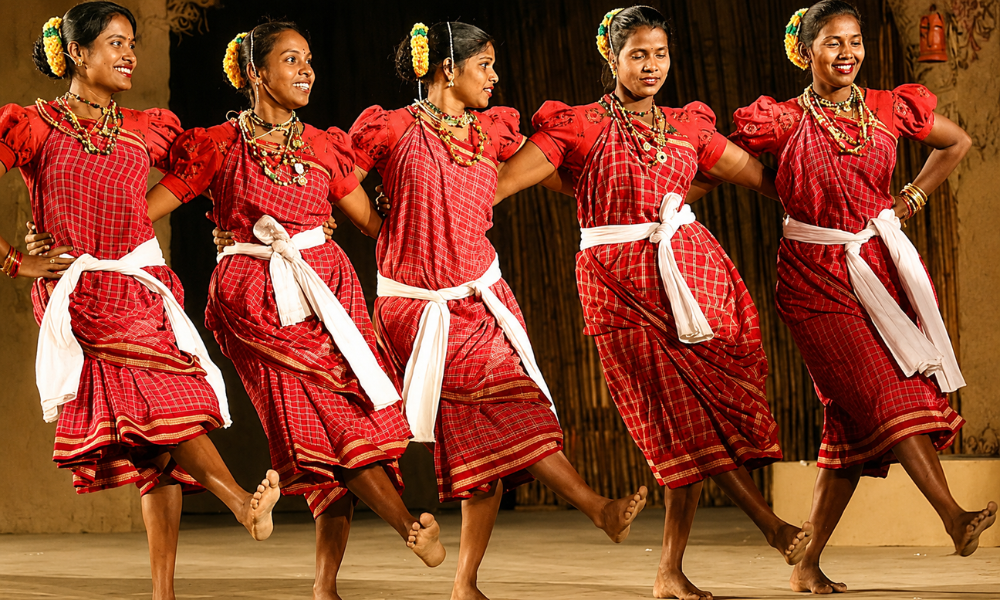
Historically, the sari reflected both identity and social belonging within the community. Today, it has become an important cultural symbol representing Goa’s indigenous roots.
Even though the sari originated from daily labor and practical use, it is now recognized as an important piece of Goan heritage and traditional textile history.
Why Kunbi Art Matters Today
Kunbi Art holds significance for several reasons beyond its visual appeal.
First, it preserves indigenous identity. In discussions about Goa, colonial architecture and tourism often dominate public attention, while indigenous communities receive far less visibility. Kunbi Art helps restore attention to Goa’s older cultural foundations.
Second, it represents sustainable craftsmanship. Traditional weaving techniques rely on manual skill, local materials, and slower production processes that contrast sharply with mass-produced textiles.
Third, it preserves historical continuity. The patterns, methods, and designs connect present generations to earlier ways of life and local traditions.
Finally, Kunbi Art reminds people that cultural heritage can exist within ordinary daily objects, not just museums or monuments.
The Decline of Kunbi Art Over Time
Like many traditional art forms, Kunbi Art gradually declined as society modernized.
Urbanization changed lifestyles across Goa, and younger generations increasingly moved away from traditional agricultural work and weaving practices. Machine-made textiles became cheaper and more accessible, reducing demand for handwoven fabrics.
At the same time, traditional skills were not always passed down consistently within families and communities. Compared to larger or more commercial Indian textile traditions, Kunbi weaving also received relatively limited national attention.
As a result, the art form slowly became less visible in everyday life.
How Artists and Designers Are Reviving Kunbi Art
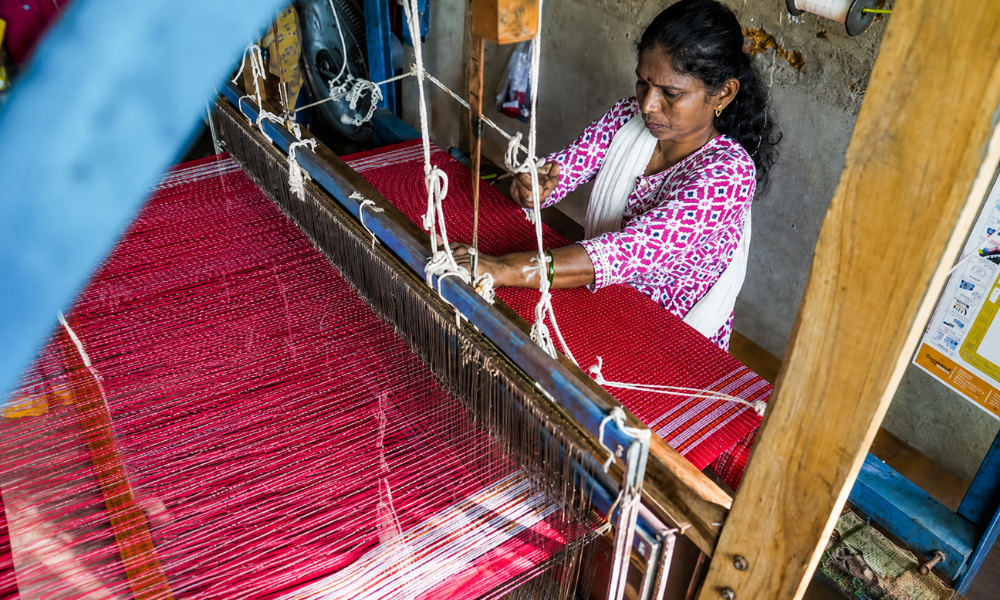
In recent years, there has been a growing movement to revive Kunbi Art and restore its cultural visibility.
One important effort involves supporting handloom weaving again. Artisans are being encouraged to continue traditional weaving practices and recreate authentic textiles using original techniques.
Modern designers are also adapting Kunbi-inspired patterns into contemporary fashion. Traditional checks and motifs now appear in dresses, scarves, bags, and modern clothing collections while still maintaining a connection to their roots.
Cultural exhibitions, workshops, and heritage festivals across Goa are also helping introduce Kunbi Art to younger audiences and visitors.
These efforts are important because revival is not only about preserving old traditions—it is also about allowing them to remain relevant in modern contexts.
Kunbi Art and Sustainable Fashion
As interest in sustainable fashion grows globally, Kunbi Art feels increasingly relevant.
Traditional Kunbi weaving relies heavily on handmade production rather than industrial manufacturing. The focus remains on craftsmanship, durability, and local materials instead of fast production cycles.
This slower and more intentional approach to textile creation aligns naturally with modern conversations around sustainability and ethical fashion.
For many people today, Kunbi Art represents an example of how traditional knowledge can still offer valuable ideas for the future.
The Role of Tourism in Reviving Kunbi Art
Tourism has also contributed to the renewed interest in Kunbi Art.
Many travelers visiting Goa now look beyond beaches and nightlife in search of more meaningful cultural experiences. Traditional textiles and indigenous art forms offer visitors a deeper understanding of Goa’s heritage and identity.
Responsible tourism can help support artisans directly by increasing demand for authentic handmade products. Cultural awareness created through tourism also encourages preservation efforts and public recognition.
However, maintaining authenticity remains important so that the art form does not become overly commercialized or disconnected from its cultural roots.
Challenges in Preserving Kunbi Art
Despite growing awareness, several challenges still exist.
Traditional weaving requires time, patience, and skill, making it difficult to compete economically with machine-made products. Many artisans still face limited financial stability, and younger generations may not always see weaving as a sustainable career option.
There is also the challenge of balancing preservation with modernization. Adapting Kunbi designs for contemporary use can help visibility, but preserving the original cultural meaning remains equally important.
Long-term preservation depends on consistent support, education, and opportunities for artisans themselves.
Experiencing Kunbi Art as a Visitor
Visitors interested in Kunbi Art can explore local exhibitions, handloom events, cultural festivals, and artisan markets across Goa.
Instead of purchasing mass-produced souvenirs, seeking authentic handwoven pieces helps support local artisans and preserve traditional practices.
Learning about the meaning behind the patterns and understanding the history of the community adds much more value to the experience than simply viewing the textiles as decorative products.
Why Kunbi Art Still Matters
Kunbi Art remains important because it represents a part of Goa that is often overlooked.
It reflects indigenous identity, community knowledge, sustainable practices, and a slower relationship with craft and labor. In a rapidly changing world, these traditions offer both cultural memory and contemporary relevance.
Rather than belonging only to the past, Kunbi Art continues evolving through the efforts of artisans, designers, and cultural groups working to ensure that the tradition survives in meaningful ways.
FAQs
1. What is Kunbi Art?
Kunbi Art is a traditional art form associated with Goa’s indigenous Kunbi community, mainly expressed through handwoven textiles and patterns.
2. What is the Kunbi sari?
The Kunbi sari is a traditional handwoven sari known for its bold checkered patterns and earthy color combinations.
3. Why is Kunbi Art important?
It preserves indigenous Goan culture, traditional craftsmanship, and sustainable weaving practices.
4. Is Kunbi Art still practiced today?
Yes, efforts are being made to revive Kunbi Art through handloom weaving, fashion design, and cultural initiatives.
5. How can visitors support Kunbi Art?
Visitors can support it by purchasing authentic handmade textiles, attending exhibitions, and supporting local artisans directly.
Conclusion
Kunbi Art is far more than a textile tradition—it is a reflection of identity, labor, heritage, and community life. Its patterns carry stories connected to land, agriculture, and generations of indigenous craftsmanship that existed long before modern Goa emerged.
Today, as artists and organizations work to revive these traditions, Kunbi Art is gaining new visibility while still holding on to its roots. In many ways, its revival represents something larger: the recognition that cultural heritage does not need to remain frozen in the past to stay meaningful.
