


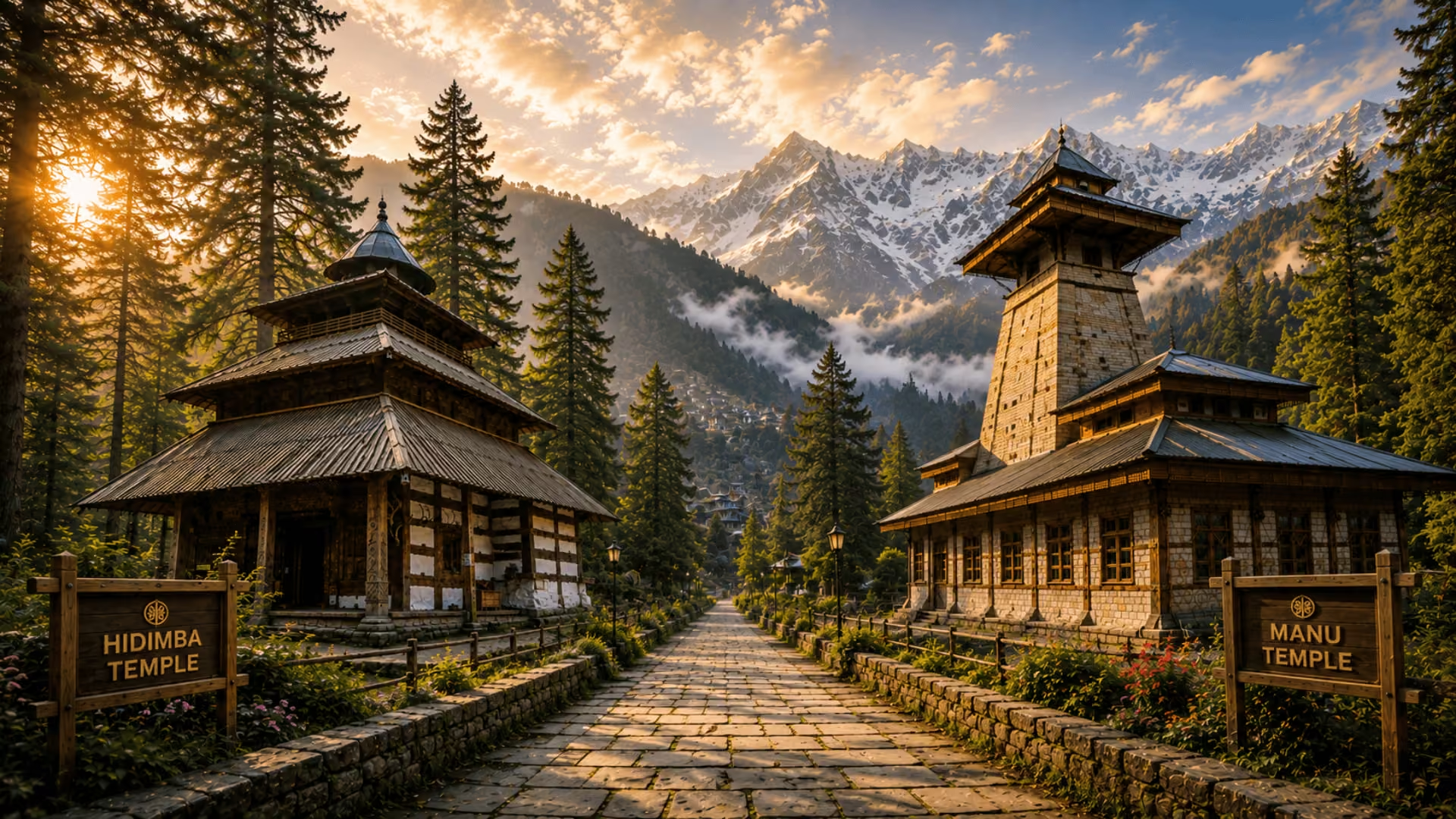
Planning a trip to Manali and wondering which temples deserve a spot on your itinerary? Two names come up again and again: Hidimba Devi Temple and Manu Temple Old Manali. Both sit deep in cedar forests, both carry centuries of legend, and both offer a side of Manali that has nothing to do with snow or shopping. This guide walks you through everything you need to know before you go — history, timings, architecture, and practical tips — so you can plan your visit without any guesswork.
Why These Two Temples Matter
Manali isn't just a gateway to Solang Valley or Rohtang Pass. It's also a town rooted in mythology, and these two temples are proof of that. Hidimba Devi Temple honors a figure from the Mahabharata, while Manu Temple Manali is dedicated to the sage believed to be the origin of human civilization itself. Together, they give you a glimpse of the spiritual layer that sits quietly beneath the town's touristy surface.
If you're the kind of traveler who likes their sightseeing with a story attached, you'll want to read on.
Hidimba Devi Temple: A Temple Built From Legend
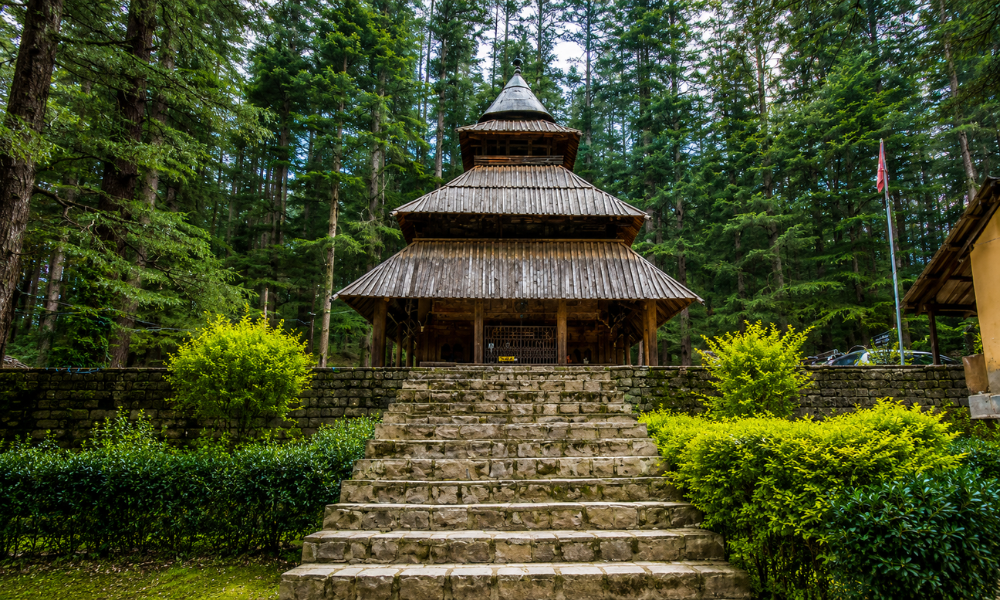
Tucked inside the Dhungri forest, surrounded by towering deodar trees, Hidimba Devi Temple is one of the most photographed structures in Himachal Pradesh — and for good reason. Its pagoda-style wooden architecture looks unlike any other temple you'll find in North India.
Hidimba Devi Temple History
Who was Hidimba, and why does she have a temple built in her honor? According to the Mahabharata, Hidimba was a Rakshasi (demoness) who fell in love with Bhima, the second of the Pandava brothers, during their exile in the forest. She eventually married him, and their son Ghatotkacha became a celebrated warrior. Local legend holds that Hidimba later meditated at this very spot and attained divine status, after which the local Manali royalty built this temple in her memory.
The current structure dates back to 1553 CE, commissioned by Raja Bahadur Singh. What makes it remarkable is that the temple isn't built over an idol — instead, it's constructed around a natural rock that bears a footprint believed to belong to the goddess herself. That detail alone sets it apart from most temples you've probably visited.
The four-tiered pagoda roof, carved wooden doorframes, and intricate animal motifs on the exterior walls reflect a strong Himalayan architectural influence, blending local Kullu-style carpentry with Hindu temple tradition. Every carving here tells a piece of the story, so take your time walking around the structure instead of rushing straight to the entrance.
Hidimba Devi Temple Timings
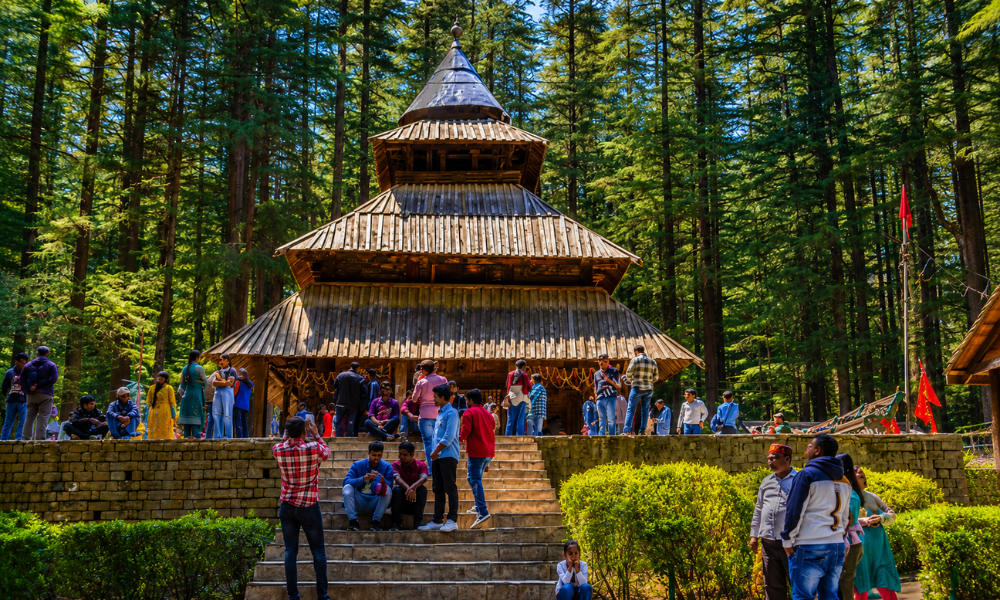
Planning your visit around the right hours makes a real difference, especially if you want fewer crowds for photos. The temple stays open daily from 8:00 AM to 8:00 PM. Morning visits, particularly before 10 AM, give you a quieter experience and softer light for photography. Evenings tend to draw larger crowds, especially during peak tourist season between April and June.
There's no entry fee, though you'll find a small donation box inside if you'd like to contribute. During the Hidimba Devi Fair, held every May, the temple sees a massive footfall, so plan accordingly if you'd rather avoid the rush.
Manu Temple Old Manali: Where It All Begins
If Hidimba Devi Temple tells a story of love and legend, Manu Temple Manali tells one of origin. This is where things get genuinely fascinating for history buffs.
Manu Temple History
Ever wondered where the name "Manali" actually comes from? It's derived from "Manu-Alaya," meaning "the abode of Manu." According to Hindu mythology, Sage Manu is considered the first man on Earth, the survivor of a great flood who repopulated the world after the deluge — much like Noah in other traditions. Old Manali, the quieter, more bohemian side of town across the Manalsu river, is believed to be the exact spot where Manu is said to have first set foot after the flood receded.
That's a heavy claim for a small, unassuming temple, but it's precisely what draws pilgrims and curious travelers alike to this site year after year.
Manu Temple Manali History: Architecture and Setting
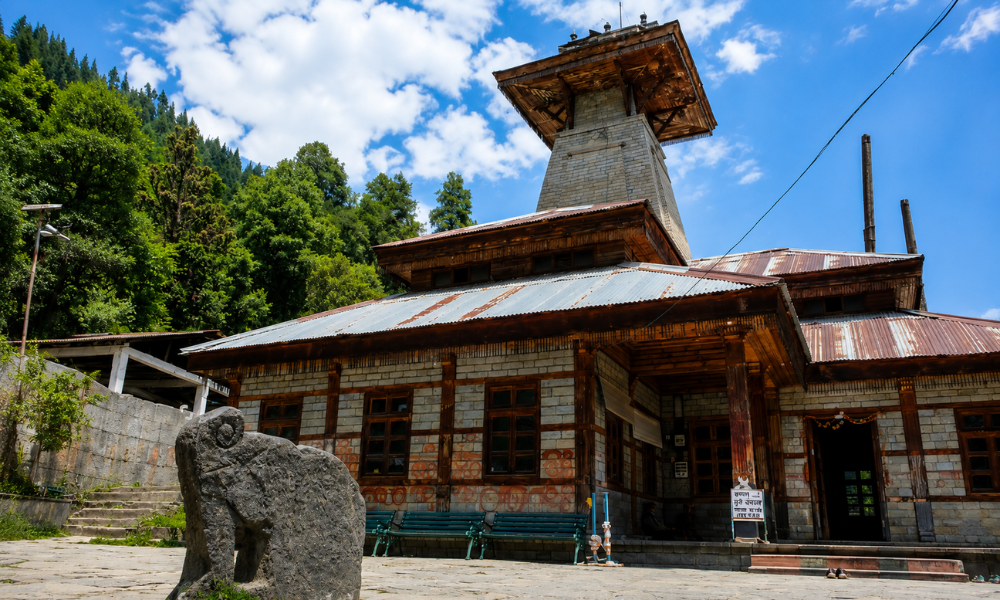
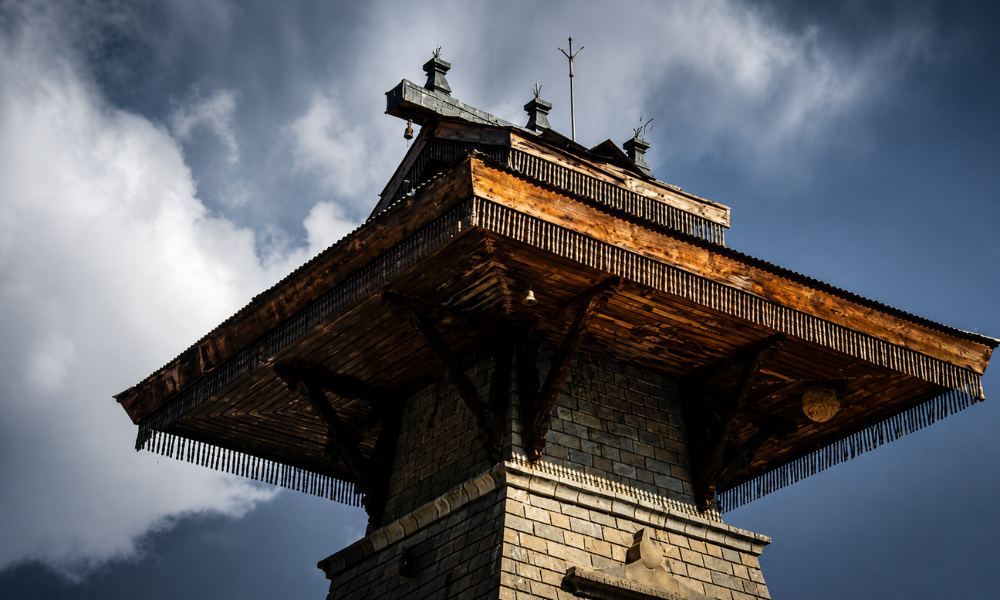
Unlike Hidimba Devi Temple's dramatic wooden pagoda, Manu Temple takes a more understated approach. The structure is modest in size, built in traditional Himachali style with stone and wood, and sits quietly among apple orchards and narrow village lanes. Don't expect grand carvings or crowds here — expect stillness. It's the kind of place where you can actually hear the river below and the wind moving through the trees.
The temple houses an idol of Sage Manu, and locals consider it one of the few temples in India dedicated specifically to him, which adds to its significance. Walking through Old Manali's cobbled lanes to reach the temple is half the experience — you'll pass cafes, handicraft shops, and guesthouses that give this part of town its signature backpacker charm.
How to Reach Both Temples
Both temples sit close enough to Manali's main market that you don't need a taxi for either, though you can certainly book one if you're short on time.
Hidimba Devi Temple is roughly a 15–20 minute walk from Manali Mall Road, through a pleasant forest trail that's well-marked and easy to follow. Manu Temple, on the other hand, requires you to cross into Old Manali via the bridge over the Manalsu river, followed by a short uphill walk through the village. Neither route is strenuous, but comfortable footwear is a good idea given the uneven stone paths.
Best Time to Visit
March to June offers the most pleasant weather for temple hopping, with clear skies and comfortable daytime temperatures. If you don't mind the cold, October to February gives you a chance to see the temples dusted in snow, which is a sight worth the extra layers. Monsoon months (July–September) bring heavy rainfall and occasional landslides on forest trails, so exercise caution if you're visiting during this window.
Tips for Your Visit
Carry a shawl or scarf, since both temples expect visitors to cover their heads as a mark of respect. Footwear needs to come off before entering, so wear socks if you're visiting during colder months. Photography is generally allowed outside both temples, but always check locally before clicking pictures inside the sanctum. If you're combining both temples in a single day, start with Hidimba Devi Temple in the morning and head to Manu Temple by early afternoon, giving yourself enough daylight to explore Old Manali's cafes afterward.
What Else Is Nearby?
Since you're already in the area, it makes sense to extend your walk. Old Manali's lanes are dotted with cafes serving Israeli and Tibetan food, along with small shops selling local woolens and handicrafts. Van Vihar National Park and the Manali Sanctuary also sit within easy reach if you'd like to extend your nature walk beyond the two temples.
FAQs
Q1. What is the significance of Hidimba Devi Temple? The temple honors Hidimba, a figure from the Mahabharata who married Bhima and later attained goddess status. It's built around a natural rock believed to carry her footprint, rather than a traditional idol.
Q2. What are Hidimba Devi Temple timings? The temple remains open daily from 8:00 AM to 8:00 PM, with no entry fee required.
Q3. Why is Manu Temple Old Manali important? It marks the mythological spot where Sage Manu, considered the first man in Hindu tradition, is believed to have landed after a great flood. The town's name, Manali, actually originates from this legend.
Q4. What is the history behind Manu Temple Manali? Manu Temple is one of the few temples in India dedicated to Sage Manu. Built in traditional Himachali style, it sits in the heart of Old Manali and reflects a quieter, more rustic architectural approach compared to Hidimba Devi Temple.
Q5. Can I visit both temples in one day? Yes. Both temples are close to Manali's main market and can comfortably be covered in a single day, especially if you start early.
Q6. Is there an entry fee for either temple? No, both temples are free to visit, though donations are welcome.
Q7. What should I wear while visiting these temples? Modest clothing is recommended, along with a scarf to cover your head. Footwear must be removed before entering either temple.
Final Thoughts
Hidimba Devi Temple and Manu Temple Old Manali aren't just stops on a checklist — they're windows into stories that have shaped this valley's identity for centuries. One tells you about love that defied convention, the other about the very origins of humanity, at least according to legend. Whether you're drawn here by mythology, architecture, or simply the quiet of a forest walk, both temples offer something Manali's snow-capped peaks can't: a sense of where this town actually comes from. So the next time someone asks why Manali feels different from every other hill station, you'll have a much better answer than "the weather."
Stay at Kanishka, Manali – AM Hotel Kollection, just minutes from Mall Road and a short walk from both temples. Book directly on our site for exclusive savings you won't find anywhere else, and let us take care of the rest while you soak in the mountains, the mythology, and the moments that stay with you long after you've left.
