


Did you know that over 400 years of Portuguese rule in Goa gave birth to a beautiful music tradition called mando?
The Portuguese didn’t just leave behind stunning churches and sunny beaches; they shaped a cultural rhythm that is still alive today through Mando music. This traditional Goan folk music is more than just tunes. It expresses love, longing, and everyday Goan life through soft and emotional Konkani songs.
Each Mando song tells a story of village gatherings, wedding celebrations, and gentle European musical influences brought during colonial times. Unlike energetic folk forms like Fugdi or Dulpod, Mando music is slow, graceful, and deeply emotional, inviting listeners into a close and personal cultural experience.
For travellers who want more than sightseeing, discovering Mando music means connecting with the true soul of Goa, where history, emotion, and tradition come together. In this article, we explore how Portuguese influence shaped Mando music and why it continues to be a valuable part of Goa’s cultural heritage.
What Is Mando Music? A Cultural Introduction
Mando music is a traditional Goan folk music style known for its soft melodies, emotional lyrics, and romantic feel. It is usually sung in the Konkani language and is commonly performed at weddings, village gatherings, and cultural events in Goa.
Unlike fast folk dances, Mando songs are slow, graceful, and full of emotion. The lyrics often speak about love, longing, social life, and family values. Because of this, Mando music is more than just entertainment. It reflects the emotions, relationships, and everyday life of Goan society.
Mando music in Goa is also known for its strong cultural roots and historical background. It developed under Portuguese influence but kept its local Goan identity. Even today, Mando songs help preserve the Goan language, traditions, and cultural expression. In simple terms, Mando music represents the heart of Goan folk culture, where music, storytelling, and emotion come together.
Historical Roots – How Portuguese Rule Shaped Goan Music?
Goa was under Portuguese rule for more than four centuries. During this long period, Western musical styles, instruments, and church music slowly mixed with local Konkani traditions.
The Portuguese introduced several new elements to Goan music, such as:
-
Western music scales and harmony
-
Instruments like the violin, guitar, and piano
-
More organised song and lyric structures
Local Goan musicians adapted these elements in their own way. Over time, this mix of Western and local music created a unique Indo-Portuguese musical style. This is how Mando music developed.
Portuguese influence did not replace Goan culture. Instead, it added new musical elements. This cultural blending is what makes Mando music different from many other Indian folk music forms.
The Musical Structure of Mando Songs
Mando songs follow Western musical patterns but are sung in Konkani. They usually have:
-
A slow tempo
-
Romantic or emotional lyrics
-
A smooth and graceful musical flow
Unlike energetic folk dances like Fugdi, Mando emphasizes emotion over physical movement. This makes it ideal for storytelling and emotional expression, rather than only celebration.
Today, Mando music in Goa is a strong example of how different cultures can come together while still keeping their original identity.
Traditional Instruments Used in Mando Music
.png)
Mando music uses a blend of Western and local Goan instruments, including:
-
Violin
-
Guitar
-
Piano
-
Ghumot, a traditional Goan drum
-
Light percussion instruments
The violin usually leads the melody, while the guitar and Ghumot support the rhythm. This combination creates a soft, smooth sound that feels elegant and emotional, while remaining connected to Goan tradition.
Mando vs Other Goan Folk Music Forms
Goa has many folk music and dance forms, each created for a different mood and purpose. Some are energetic and fun, while others focus more on emotion and storytelling. The table below clearly shows how Mando music is different from other popular Goan folk forms.
|
Folk Music Forms |
Speed & Style |
Main Mood |
Purpose & Use |
|
Mando |
Slow and graceful |
Romantic, emotional, lyrical |
Expresses love, feelings, and social values. Commonly performed at weddings, cultural evenings, and intimate gatherings. |
|
Dulpod |
Fast and lively |
Playful, humorous |
Focuses on daily life, jokes, and social themes. Often performed at celebrations and festive events. |
|
Fugdi |
Very energetic |
Joyful, rhythmic |
A group dance with clapping, mostly performed by women during festivals and community celebrations. |
|
Dekhnni |
Medium pace |
Dramatic, expressive |
Combines music, dance, and storytelling. Often performed on stage with expressive movements and costumes. |
While Dulpod and Fugdi are lively and energetic, Mando music is calm and emotional. It is meant to be listened to and felt, rather than danced to. This makes Mando music in Goa especially suitable for weddings, cultural programs, and peaceful gatherings where emotion and meaning are more important than celebration alone.
Cultural Significance of Mando in Goan Society
Mando music plays an essential role in Goan cultural life. It is commonly performed during:
-
Catholic weddings
-
Village celebrations
-
Cultural festivals
-
Tiatr performances
In many Goan families, elders pass Mando songs from one generation to the next. These songs help preserve the Konkani language, family values, and local history. Because of this, Mando music is more than just music. It acts as a living record of Goan culture and traditions.
Mando songs also carry social messages and emotional stories that reflect everyday Goan life.
They help people remember their roots and cultural identity. Even as modern music and global trends become more popular, Mando continues to hold a special place in traditional and cultural events. This ongoing practice helps younger generations stay connected to their heritage while understanding the value of their cultural past.
Is Mando Music Still Alive Today?
Mando music continues to be an essential part of Goan cultural life even today. Although it is not very common in mainstream media, it is still actively practiced and preserved in many ways.
Mando music can be seen and heard through:
-
Cultural festivals
-
School and college music programs
-
Heritage events
-
Digital recordings and live performances
Institutions such as the Kala Academy and several Goan cultural groups play a key role in promoting mando music. They organise performances, workshops, and cultural programs to keep this tradition alive. Many musicians are also presenting mando music in modern styles while respecting its original form and meaning.
These efforts help ensure that Mando music in Goa remains meaningful, respected, and celebrated by both older and younger generations.
Experiencing Mando Music as a Traveller in Goa
For travellers who want more than just beaches and nightlife, experiencing mando music offers a deeper and more meaningful connection to Goa’s culture. It allows visitors to understand the emotional and traditional side of Goan life, not just the tourist highlights.
Travellers can experience mando music in many authentic settings, such as:
-
Cultural evenings at heritage homes
-
Village festivals and community celebrations
-
Church feasts, especially in South Goa
-
Boutique hotels that host live cultural performances
These experiences help travellers witness Goa’s rich culture directly through music, storytelling, and shared moments with the local community.
How AM Hotel Kollection Curates Authentic Cultural Experiences?
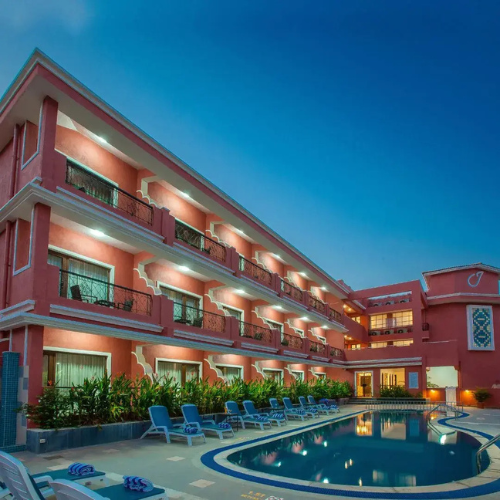
At Jasminn by AM Hotel Kollection, the focus is on offering guests more than just a comfortable stay. The hotel helps guests experience Goa’s real culture by connecting them with local traditions. Located in South Goa, Jasminn is close to traditional villages and church communities where mando music is still performed during church feasts, weddings, and cultural events. Many of these cultural experiences are within a 20 to 30-minute drive from the hotel.
Guests staying at Calangute Towers, Calangute - AM Hotel Kollection in North Goa can also explore Goan folk culture beyond the beach areas. While Morjim is known for its relaxed coastal atmosphere, nearby villages and cultural spaces host local music evenings and heritage programs where mando music is sometimes performed. These locations are usually within 15 to 25 minutes by road from the hotel.
Similarly, Calangute provides guests with easy access to cultural centres, tiatr venues, and church feast celebrations in and around North Goa. During festival seasons, guests can attend local cultural programs featuring mando music as part of traditional performances. Most of these venues are within a 20 to 30-minute drive from the hotel.
Through thoughtfully designed stays, local guidance, and cultural recommendations, AM Hotel Kollection helps guests discover Goa’s living traditions. This includes local music like mando, regional cuisine, and everyday Goan life.
By helping guests connect with nearby cultural events and authentic local experiences, AM Hotel Kollection creates meaningful stays that reflect the true cultural spirit of Goa, turning each visit into a memorable experience through #AMOMENTS and #AMEMORIES.
FAQs
1. What is Mando music in Goa?
Mando music in Goa is a traditional Goan folk music style influenced by Portuguese music. It is sung in Konkani and is known for its slow tempo, emotional lyrics, and romantic feel. Mando songs are commonly performed at weddings, cultural events, and church celebrations.
2. How did Portuguese rule influence Goan folk music?
Portuguese rule influenced Goan folk music by introducing Western musical scales, harmony, instruments such as the violin and guitar, and structured song forms. These elements blended with local Konkani traditions, resulting in unique styles such as Mando music.
3. Is Mando music still performed today?
Yes, Mando music is still actively performed in Goa. It can be seen at cultural festivals, church feasts, weddings, tiatr performances, heritage events, and educational music programs. Many cultural institutions and musicians continue to preserve and promote this tradition.
4. What instruments are used in Mando music?
Mando music uses a mix of Western and local Goan instruments. Common instruments include the violin, guitar, piano, Ghumot, and light percussion. The violin usually carries the main melody, while other instruments support rhythm and flow.
5. Where can travellers experience Mando music in Goa?
Travellers can experience Mando music at village festivals, church feasts, heritage homes, cultural evenings, and boutique hotels that support local music. Areas in South Goa and parts of North Goa regularly host cultural events featuring Mando music.
Conclusion: Why Mando Music in Goa Matters
Mando music in Goa is more than a traditional folk style. It reflects the region’s history, emotions, and cultural identity, shaped by both Goan and Portuguese influences. Through its slow melodies, emotional lyrics, and meaningful storytelling, Mando connects the past with the present.
Even today, Mando music continues to play an essential role in Goan cultural life. It preserves the Konkani language, family values, and social traditions while adapting gently to modern times. For travellers and culture lovers, experiencing Mando music offers a deeper understanding of Goa beyond beaches and nightlife.
By exploring Mando music, one discovers a living tradition that represents harmony between cultures and keeps Goa’s rich heritage alive for future generations.
