


What makes a small Himalayan town one of the most powerful spiritual destinations in India? The answer is Dharamshala, where Tibetan Buddhist wisdom and ancient Hindu devotion live together.
High in the peaceful hills of Dharamshala, faith shapes daily life. As the home of the Dalai Lama and one of the most important Tibetan Buddhist centers outside Tibet, this Himalayan town holds a strong sense of peace, tradition, and living spirituality.
A well-planned Dharamshala Temple Tour brings you close to two powerful spiritual spaces. The
Dalai Lama Temple Complex reflects centuries of Tibetan Buddhist wisdom, while the ancient Bhagsunag Temple carries deep devotion to Lord Shiva. Together, they create a meaningful half-day journey through faith, culture, and inner calm.
In this article, you will learn about the Dalai Lama Temple Complex, the spiritual meaning of Tsuglagkhang Temple, the peaceful Kora walk, and the story behind Bhagsunag Temple.
You will also find the distance between the temples, a simple visit plan, the best time to go, and the basic etiquette to follow during this Dharamshala Temple Tour.
Why Dharamshala Is One of India’s Most Important Spiritual Destinations
A Dharamshala spiritual tour is more than a temple visit. It brings you into a place where faith still guides everyday life. Dharamshala is the main base of the Tibetan government in exile and one of the most important centers of Tibetan Buddhism outside Tibet.
Just above the town, McLeod Ganj is a calm spiritual area filled with monasteries, prayer flags, and meditation spaces. Here, Buddhist monasteries stand close to Hindu temples. This creates a rare spiritual balance that you can feel across the town.
This harmony reflects the deeper identity of Himachal Pradesh itself. For centuries, the region has welcomed pilgrims, monks, seekers, and travelers looking for peace. Dharamshala continues this tradition and offers visitors both a rich culture and a strong spiritual connection.
Dalai Lama Temple Complex: Spiritual Heart of McLeod Ganj
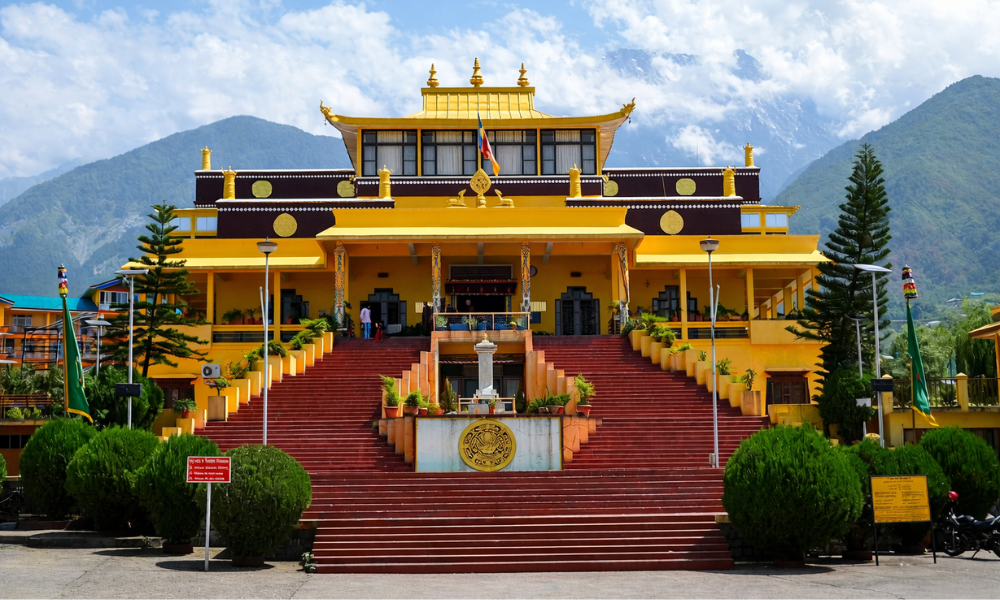
The Dalai Lama Temple, Dharamshala, officially called the Tsuglagkhang Temple, is the main center of Tibetan Buddhism in India. This temple complex serves as the residence temple of the Dalai Lama and hosts teachings, prayers, and ceremonies throughout the year.
Unlike many large temples with heavy decoration, this complex feels simple and peaceful. Its strength comes from its calm atmosphere and deep spiritual focus.
What Is Tsuglagkhang Temple
Tsuglagkhang Temple forms the main part of the Dalai Lama Temple Complex. Monks gather here every day to chant ancient Buddhist scriptures. Their steady chanting creates a peaceful rhythm that fills the temple space.
The temple holds sacred statues of Buddha, Avalokiteshvara, and Padmasambhava. These figures represent compassion, wisdom, and enlightenment. Visitors often sit quietly, watch the prayers, or spend time in the calm surroundings.
This place is not just a tourist attraction. It remains an active spiritual center where Buddhist traditions continue every day.
Monastery, Prayer Wheels & Meditation Experience
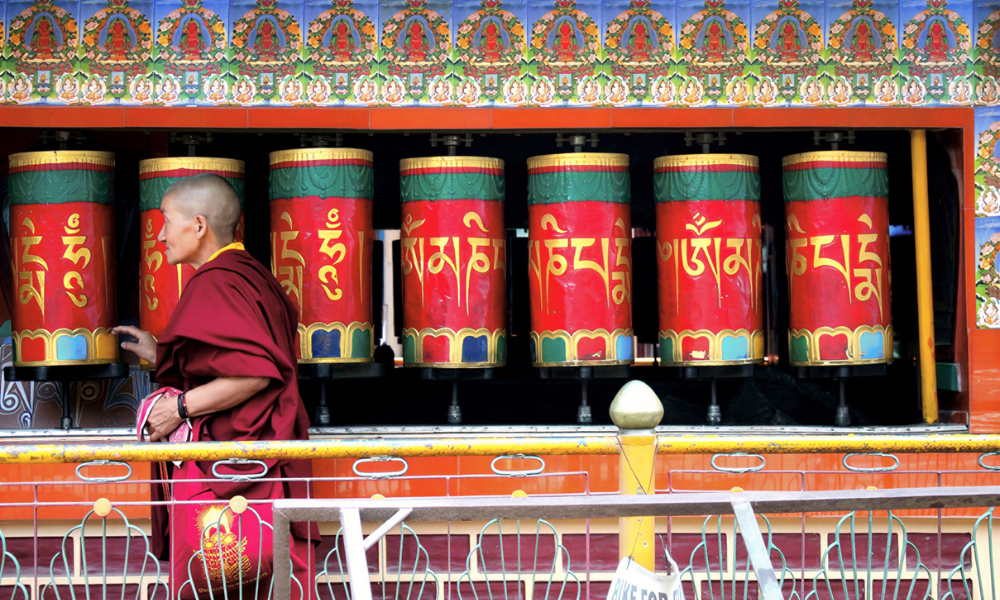
One of the most memorable experiences here is walking beside long rows of prayer wheels. Each wheel holds sacred mantras. Spinning them is believed to spread blessings and positive energy.
The monastery areas feel simple and peaceful. Monks move quietly between the halls. Visitors often pause, sit for a few moments, and reflect.
Many visitors also sit in the open courtyard to watch the daily prayer routines. The soft sound of chanting, prayer wheels turning, and temple bells creates a calm and deeply spiritual setting.
You do not need to follow Buddhist practices to feel connected here. The calm environment naturally helps you slow down and feel present.
Kora Walk: Meaning and Spiritual Significance
The Kora walk is a circular path around the temple complex. This slow walk represents devotion and mindful practice.
Monks and visitors walk clockwise as they spin prayer wheels along the path. The route passes through quiet forest areas and opens to occasional views of the Himalayas.
Colorful Tibetan prayer flags line parts of the path. Many visitors also pause at small viewpoints along the route, where the mountains and quiet surroundings add to the calm spiritual feeling.
This simple walk becomes a peaceful spiritual moment. It slows your thoughts and brings your attention to the present.
For many visitors, this becomes the most memorable part of their Dharamshala Temple Tour.
Museum and Audience Hall
The complex also includes the Tibetan Museum. It preserves the history and cultural journey of the Tibetan people. The exhibits share stories of migration, faith, and identity.
Nearby, the audience hall hosts teachings and public talks when the Dalai Lama speaks. These gatherings bring followers from many parts of the world.
Many visitors also explore the museum's photo archives and documentary displays. These sections present rare images, personal stories, and historical records that explain Tibet’s cultural struggle and resilience.
Together, these spaces help visitors understand the spiritual and cultural importance of Dharamshala.
Many visitors choose to stay close to McLeod Ganj so they can experience the peaceful rhythm of the temple area without rushing their visit. Golden Rock by AM Hotel Kollection offers quiet mountain views and easy access to Dharamshala’s spiritual landmarks, making it easier to begin your temple tour early in the morning.
Bhagsunag Temple: Ancient Shiva Shrine with Sacred Waters
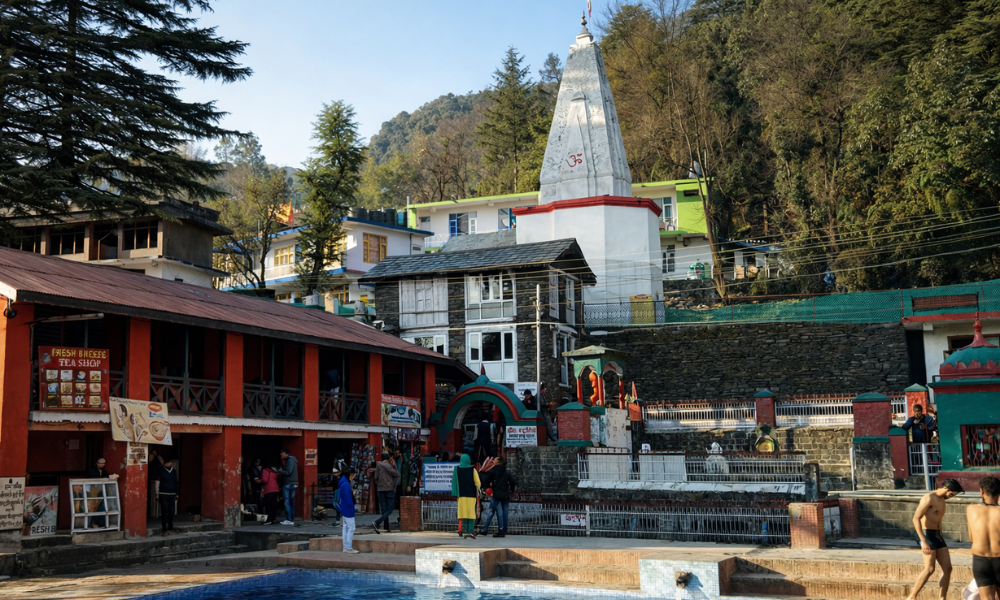
Located a short distance from McLeod Ganj, the Bhagsunag Temple in Dharamshala reflects an older spiritual tradition rooted in Hindu mythology.
This ancient temple honors Lord Shiva, and has drawn pilgrims for centuries. Surrounded by mountains and fresh spring water, the setting adds a deep sense of peace to the spiritual experience.
History and Legend of King Bhagsu
According to local legend, King Bhagsu once took sacred water from a nearby lake to save his people during a drought. Lord Shiva confronted him and defeated him in battle. The king accepted his mistake and asked for forgiveness. Shiva forgave him and allowed the temple to be built in his name.
This story reflects humility, repentance, and devotion. Even today, pilgrims visit the temple to seek blessings and spiritual strength.
Many visitors also connect this legend with the nearby Nag Dal Lake, which locals believe holds sacred value in the story. The temple area becomes especially lively during local festivals dedicated to Lord Shiva.
The legend gives Bhagsunag Temple strong historical and cultural meaning.
Sacred Pool and Spiritual Importance
Next to the temple lies a sacred water pool fed by natural mountain springs. Many visitors believe its waters carry cleansing energy.
Pilgrims often touch the water as a symbol of cleansing and renewal. Some devotees also sprinkle the water on their heads before entering the temple as a sign of respect and purification.
The pool remains an important part of the temple’s spiritual tradition. During festivals and special prayer days, many pilgrims gather here before offering prayers to Lord Shiva.
The presence of fresh mountain springs strengthens the connection between nature and spirituality.
The calm surroundings make this a peaceful place for quiet reflection.
Temple Architecture and Experience
The temple’s stone structure reflects traditional Himalayan design. Its simple structure supports its spiritual purpose.
Prayer bells ring softly in the wind. Mountains rise behind the temple, creating a strong natural setting.
Many visitors also walk a short distance above the temple to reach the well-known Bhagsu Waterfall, which adds to the peaceful atmosphere of the area. Small cafés and resting spots around the path allow visitors to pause and enjoy the mountain views.
The temple area becomes especially lively during Maha Shivaratri, when devotees gather to offer prayers to Lord Shiva, and the surroundings fill with devotional chants and temple bells.
Unlike crowded city temples, Bhagsunag offers space to pause, breathe, and reconnect.
Cultural Fusion: Where Tibetan Buddhism and Hindu Spirituality Meet
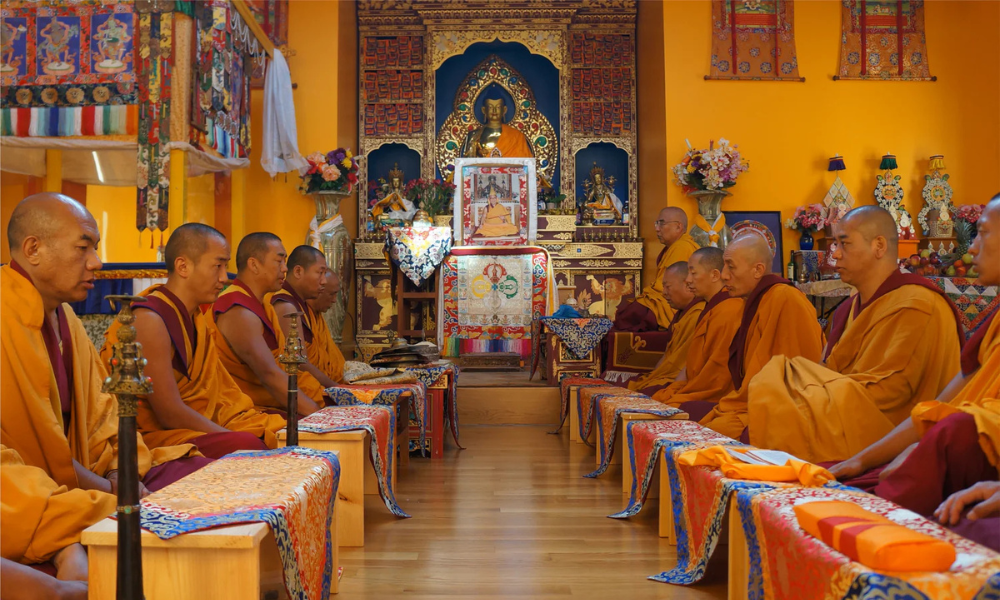
Few places offer such a natural spiritual balance. The Dalai Lama Temple Complex represents Tibetan Buddhist teachings, while Bhagsunag Temple reflects the deep devotion of Hindu tradition.
Both temples stand only minutes apart, yet each offers a different spiritual experience.
This cultural blend shapes the identity of Dharamshala. It allows visitors to witness two major spiritual traditions in one journey.
Prayer flags, monasteries, temple bells, and Shiva shrines all exist within the same mountain town. Monks, pilgrims, and travelers move through the same streets, creating a rare atmosphere of shared faith and respect.
Many visitors notice how Buddhist chants from monasteries and temple bells from Shiva shrines echo through the same hills. Local markets, cafés, and small prayer spaces also reflect this cultural mix.
This peaceful coexistence makes the Dharamshala Temple Tour truly special.
Distance, Route, and Ideal Combined Visit Plan
Planning a Dharamshala temple itinerary is simple because both temples are located close to each other. This makes it easy to visit them in one relaxed trip.
Distance and Travel Time
The distance between the Dalai Lama Temple Complex and the Bhagsunag Temple is about 2.5 km.
You can reach Bhagsunag Temple in:
-
10 minutes by taxi
-
30–40 minutes by walking
Many visitors prefer walking because the route passes through the lively streets of McLeod Ganj. Along the way, you will see prayer flags, small cafés, Tibetan handicraft shops, and small bakeries that are popular with travelers.
You may also notice monks walking between monasteries and visitors stopping at viewpoints to see the Dhauladhar mountains. The short journey itself becomes part of the experience and helps you enjoy the calm atmosphere of Dharamshala.
Suggested 4–5 Hour Itinerary Flow
A combined temple visit fits easily into half a day. The short distance between the temples allows you to explore both places at a calm and comfortable pace.
Recommended flow:
Hour 1–2: Visit Dalai Lama Temple Complex
Observe prayer rituals, explore the meditation halls, spin the prayer wheels, and walk the peaceful Kora path around the temple.
Hour 3: Travel to Bhagsunag Temple
Walk through the streets of McLeod Ganj or take a short taxi ride.
Hour 4–5: Explore Bhagsunag Temple
Visit the sacred water pool, offer prayers, and spend a few quiet moments in the calm temple surroundings.
This relaxed pace helps you experience both spiritual spaces without rushing. Many visitors also stop along the route for tea, local food, or short viewpoints that open toward the Dhauladhar mountains.
Many travelers also find that where they stay plays a role in how peaceful the experience feels. Staying in a quiet mountain setting near McLeod Ganj allows you to start temple visits early and return to calm surroundings afterward. Thoughtfully designed stays like Golden Rock by AM Hotel Kollection provide a peaceful base that complements Dharamshala’s spiritual atmosphere.
Best Time, Visitor Etiquette, and What to Expect
The best time to begin your Dharamshala Temple Tour is early morning. The temples feel quieter, and the fresh mountain air makes the visit more peaceful.
The ideal months to visit are:
-
March to June
-
September to November
During these months, the weather stays pleasant, and the mountain views remain clear. Morning visits also allow you to observe daily prayer routines at the monasteries and experience the calm atmosphere before crowds arrive.
On clear mornings, visitors often see the snow-covered Dhauladhar mountain range from different points around McLeod Ganj. The sound of morning prayers and temple bells adds to the peaceful environment of the area.
Visitor etiquette is important because both temples remain active spiritual places. Follow these simple guidelines:
-
Maintain silence inside temple halls
-
Remove shoes before entering
-
Dress modestly
-
Respect monks, and prayer rituals
These simple actions show respect for the traditions practiced at these sacred sites.
Experiencing Dharamshala’s Spiritual Side with a Curated Stay
Spiritual journeys do not end at temple gates. The place where you stay shapes how deeply you absorb each experience.
Staying close to McLeod Ganj allows you to begin temple visits early and return to peaceful surroundings after exploring the area. Golden Rock by AM Hotel Kollection sits within easy reach of the Dalai Lama Temple Complex and Bhagsunag Temple, making it a convenient base for a Dharamshala Temple Tour. Its quiet mountain setting, clear views of the surrounding hills, and calm atmosphere create the right environment to slow down after a day of temple visits.
This balance between exploration and rest transforms travel into something more meaningful, into lasting memories.
FAQs
1. What is the Dalai Lama Temple Complex in Dharamshala?
The Dalai Lama Temple Complex, also known as Tsuglagkhang Temple, is the main Tibetan Buddhist temple in McLeod Ganj, Dharamshala. It serves as the residence temple of the Dalai Lama and a major spiritual center where monks chant prayers, visitors meditate, and Buddhist teachings are held.
2. How far is Bhagsunag Temple from the Dalai Lama Temple Complex?
The distance between the Dalai Lama Temple Complex and the Bhagsunag Temple is about 2.5 km. Visitors can reach the temple in around 10 minutes by taxi or 30 to 40 minutes on foot through the streets of McLeod Ganj.
3. How much time is needed for a Dharamshala Temple Tour?
A Dharamshala Temple Tour usually takes around 4 to 5 hours. This gives visitors enough time to explore the Dalai Lama Temple Complex, walk the Kora path, visit Bhagsunag Temple, and spend quiet moments near the sacred water pool.
4. What is the best time to visit the Dalai Lama Temple and Bhagsunag Temple?
The best time to visit the Dalai Lama Temple Complex and the Bhagsunag Temple is early morning when the temples are calm, and prayer rituals begin. The most pleasant months for a Dharamshala temple visit are March to June and September to November.
5. Why is the Bhagsunag Temple famous in Dharamshala?
Bhagsunag Temple is famous for its ancient Lord Shiva shrine, sacred spring water pool, and the nearby Bhagsu Waterfall. The temple’s mythology, peaceful Himalayan setting, and long history of pilgrimage make it one of the most well-known temples in Dharamshala.
Conclusion: Why This Dharamshala Temple Tour Leaves a Lasting Spiritual Impression
A Dharamshala Temple Tour offers more than a simple temple visit. It allows you to experience a living spiritual landscape shaped by centuries of devotion, faith, and tradition.
At the Dalai Lama Temple Complex, the calm rhythm of Buddhist prayers, meditation spaces, and the peaceful Kora walk reflect the quiet strength of Tibetan Buddhism. Just a short distance away, Bhagsunag Temple carries the deep spiritual presence of Lord Shiva, supported by sacred water springs and centuries-old local devotion.
Together, these two temples reveal the true spiritual identity of Dharamshala. They show how Tibetan Buddhist wisdom and ancient Hindu traditions exist side by side in the same Himalayan town.
This journey encourages you to slow down, observe, and reconnect with a quieter rhythm of life. Long after your visit ends, the calm atmosphere, mountain views, and spiritual energy of Dharamshala often stay with you.
